Winning Hearts and Minds

Mark Nelson of Caledonia discusses his connection with the Florey Institute, one of our beneficiaries, and why he's involved with Hearts and Minds.

Winning Hearts and Minds

May 29, 2019
Mark Nelson of Caledonia discusses his connection with the Florey Institute, one of our beneficiaries, and why he's involved with Hearts and Minds.
Read Transcript

This article first appeared in The Florey Institute's quarterly magazine, Brain Matters.

The generosity of a great supporter means the Florey will reap benefits from a novel investment concept.

Dr Mark Nelson looks back at his time as a student at the Florey with great fondness. As a student of neuroscience and applied physiology in the 1980s, Mark was overwhelmed to be surrounded by geneticists and other specialists who had been lured to the Florey from Harvard and other renowned research hubs. “It was an enormous privilege to undertake a PhD at the Florey as it was considered to be such a very fine institute,” Mark says.

So when he was offered the irresistible chance to do a Masters of Philosophy in the UK at Cambridge University, it was with some trepidation that the young Florey PhD student went to visit the top brass, the intimidating Director, Professor Derek (Dick) Denton. Mark hoped to receive a leave of absence but had no idea how the idea would be received.

“As a poor student, I tentatively approached the Director’s office. He sat and listened and said nothing. He just listened and listened. Then he said, ‘hmmmmm’. He reached into his desk, pulled out a chequebook and wrote out a cheque for $1000 and said, ‘Here you are. You might find this useful’.”

For a young Mark Nelson, this was a huge sum and the generosity has never been forgotten.

These days, Mark is Chairman of the Caledonia Investments funds management group, a company he co-founded back in 1992 after he left science to chase a world of finance and investment. But his link to Prof Denton has remained strong. Mark is a Florey Governor and was on the board of the Institute from 2001 to 2007.

That $1000 cheque has been paid back to the Florey many thousands of times.

 “What goes around comes around and I’ve been very happy to support Dick’s research over the years. The Florey was very good to me so obviously, I’ve been keen to help whenever I can.”

Caledonia is a global investment management firm that aims to achieve high returns over a long-term timeframe. It focuses on deep, fundamental research and high conviction investing.

In an exciting move with long term implications, Mark recently nominated the Florey to receive a share of Caledonia’s management fees through a new company known as Hearts and Minds Investments Limited.

Hearts and Minds offers shareholders concentrated portfolios of the highest conviction ideas from leading fund managers, one of which is Caledonia. The donation of fees supports medical research and is designed to encourage the development of medicines and to drive a new generation of medical research in Australia. Every six months, Caledonia will forego their fees, and will instead have them directed to the Florey and the Charlie Teo Foundation.

“Neuroscience is an area that the world really needs to focus on,” Mark says. “Any investor will think very carefully about where they want their money to go. This initiative isn’t a band-aid. This aims at big ideas, at prevention and ways we can have far-reaching effects on human health. It’s almost at the stage that if we don’t fund brain research now and wait 20 years, we’ll look back and think ‘oh, that was a mistake. If only we’d done something at the time’. With our ageing population, we need to act now. The prevalence of neurodegenerative disorders increases with age, and the United Nations tells us that globally there will be 2.1 billion people aged over 60 by 2050.”

“From a commercial perspective, too, you ask, ‘Well, who should I back?’. I’m looking for infrastructure, private benefaction, government support, talented scientists….the Florey has all of that. It’s well worth supporting.”

“The Hearts and Minds initiative shouldn’t fail because it’s a sensible structure, and it attracts investors who are very clear on what we’re trying to do.”


You can learn more about the work the Florey Institute does at their website.
This article first appeared in The Florey Institute's quarterly magazine, Brain Matters.

The generosity of a great supporter means the Florey will reap benefits from a novel investment concept.

Dr Mark Nelson looks back at his time as a student at the Florey with great fondness. As a student of neuroscience and applied physiology in the 1980s, Mark was overwhelmed to be surrounded by geneticists and other specialists who had been lured to the Florey from Harvard and other renowned research hubs. “It was an enormous privilege to undertake a PhD at the Florey as it was considered to be such a very fine institute,” Mark says.

So when he was offered the irresistible chance to do a Masters of Philosophy in the UK at Cambridge University, it was with some trepidation that the young Florey PhD student went to visit the top brass, the intimidating Director, Professor Derek (Dick) Denton. Mark hoped to receive a leave of absence but had no idea how the idea would be received.

“As a poor student, I tentatively approached the Director’s office. He sat and listened and said nothing. He just listened and listened. Then he said, ‘hmmmmm’. He reached into his desk, pulled out a chequebook and wrote out a cheque for $1000 and said, ‘Here you are. You might find this useful’.”

For a young Mark Nelson, this was a huge sum and the generosity has never been forgotten.

These days, Mark is Chairman of the Caledonia Investments funds management group, a company he co-founded back in 1992 after he left science to chase a world of finance and investment. But his link to Prof Denton has remained strong. Mark is a Florey Governor and was on the board of the Institute from 2001 to 2007.

That $1000 cheque has been paid back to the Florey many thousands of times.

 “What goes around comes around and I’ve been very happy to support Dick’s research over the years. The Florey was very good to me so obviously, I’ve been keen to help whenever I can.”

Caledonia is a global investment management firm that aims to achieve high returns over a long-term timeframe. It focuses on deep, fundamental research and high conviction investing.

In an exciting move with long term implications, Mark recently nominated the Florey to receive a share of Caledonia’s management fees through a new company known as Hearts and Minds Investments Limited.

Hearts and Minds offers shareholders concentrated portfolios of the highest conviction ideas from leading fund managers, one of which is Caledonia. The donation of fees supports medical research and is designed to encourage the development of medicines and to drive a new generation of medical research in Australia. Every six months, Caledonia will forego their fees, and will instead have them directed to the Florey and the Charlie Teo Foundation.

“Neuroscience is an area that the world really needs to focus on,” Mark says. “Any investor will think very carefully about where they want their money to go. This initiative isn’t a band-aid. This aims at big ideas, at prevention and ways we can have far-reaching effects on human health. It’s almost at the stage that if we don’t fund brain research now and wait 20 years, we’ll look back and think ‘oh, that was a mistake. If only we’d done something at the time’. With our ageing population, we need to act now. The prevalence of neurodegenerative disorders increases with age, and the United Nations tells us that globally there will be 2.1 billion people aged over 60 by 2050.”

“From a commercial perspective, too, you ask, ‘Well, who should I back?’. I’m looking for infrastructure, private benefaction, government support, talented scientists….the Florey has all of that. It’s well worth supporting.”

“The Hearts and Minds initiative shouldn’t fail because it’s a sensible structure, and it attracts investors who are very clear on what we’re trying to do.”


You can learn more about the work the Florey Institute does at their website.

Disclaimer: This material has been prepared by The Florey, published on May 29, 2019. HM1 is not responsible for the content of linked websites or content prepared by third party. The inclusion of these links and third-party content does not in any way imply any form of endorsement by HM1 of the products or services provided by persons or organisations who are responsible for the linked websites and third-party content. This information is for general information only and does not consider the objectives, financial situation or needs of any person. Before making an investment decision, you should read the relevant disclosure document (if appropriate) and seek professional advice to determine whether the investment and information is suitable for you.

facebook
linkedin
All
Thank you! Your submission has been received!
Oops! Something went wrong while submitting the form.
July 1, 2026

Improving care for adults with motor neuron diseases

Building better care for adults living with Motor Neuron Disease and Spinal Muscular Atrophy.

Read More
July 1, 2026

Understanding fatigue in young people with Charcot-Marie-Tooth disease

Developing a tool to improve understanding, research and care.

Read More
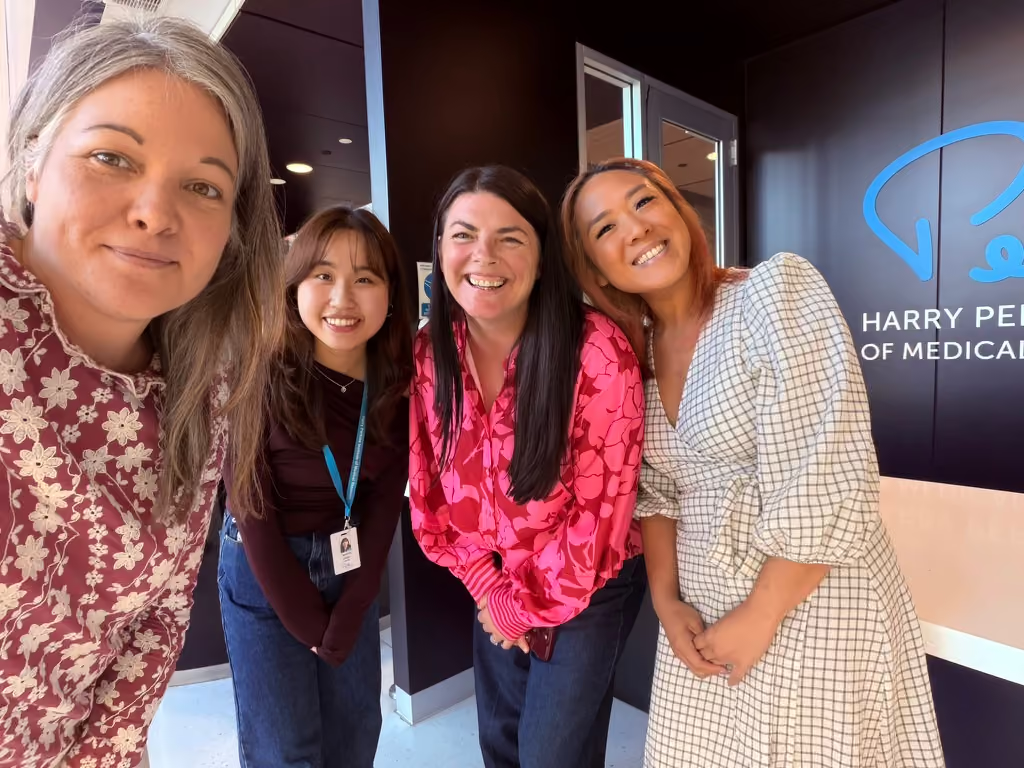
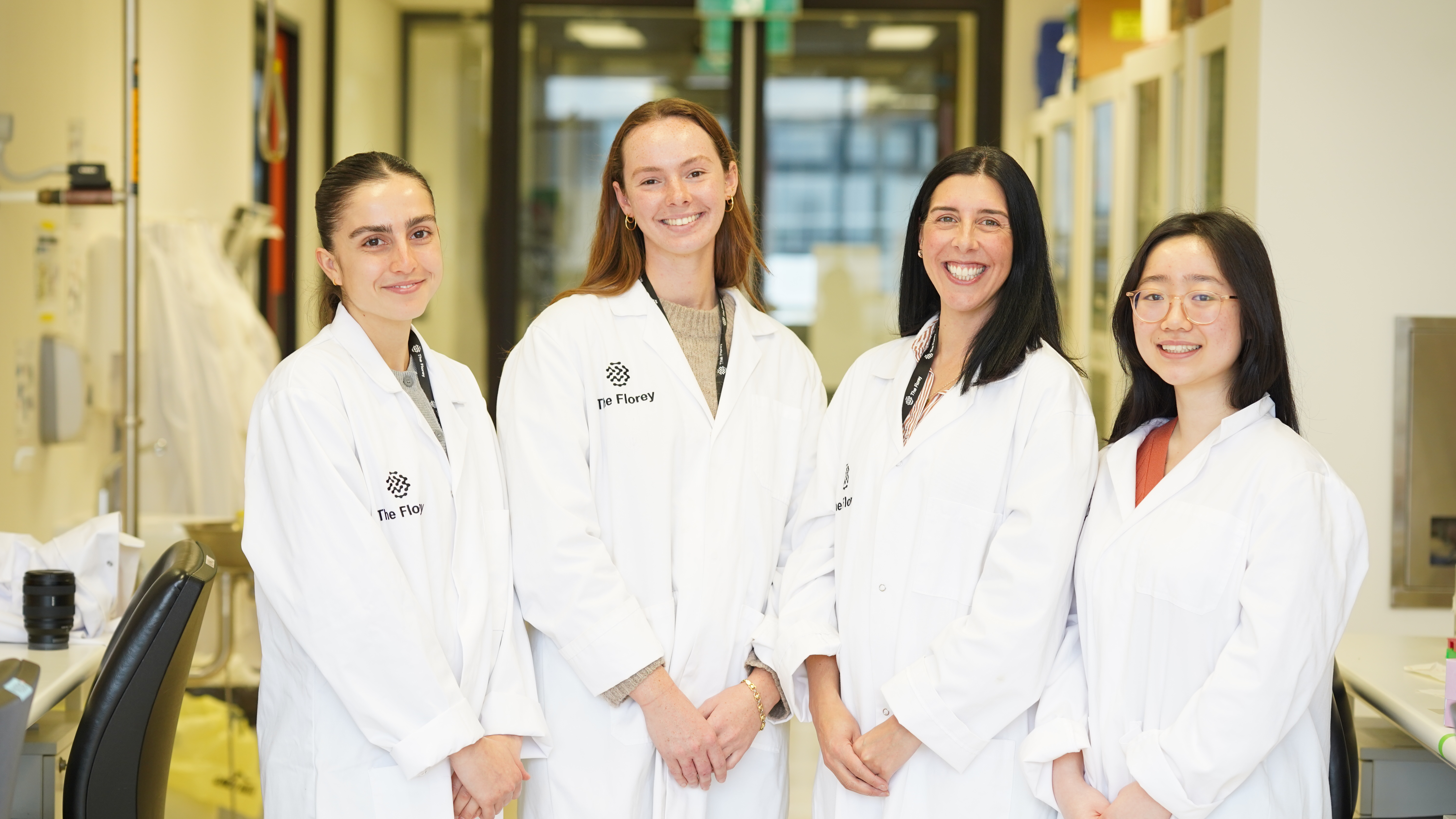
Pictured left to right: Professor Gina Ravenscroft (Perkins), Jasmine Chew, Sam Payne (CEO and Founder, Pink Elephants Support Network), and Shelby Mullin (Perkins).Pictured left to right: Professor Gina Ravenscroft (Perkins), Jasmine Chew, Sam Payne (CEO and Founder, Pink Elephants Support Network), and Shelby Mullin (Perkins).Pictured left to right: Professor Gina Ravenscroft (Perkins), Jasmine Chew, Sam Payne (CEO and Founder, Pink Elephants Support Network), and Shelby Mullin (Perkins).Pictured left to right: Professor Gina Ravenscroft (Perkins), Jasmine Chew, Sam Payne (CEO and Founder, Pink Elephants Support Network), and Shelby Mullin (Perkins).
July 1, 2026

Giving families living with rare diseases the answers they need

Supporting research to improve the diagnosis of rare genetic neuromuscular diseases and build the foundations for future treatments.

Read More
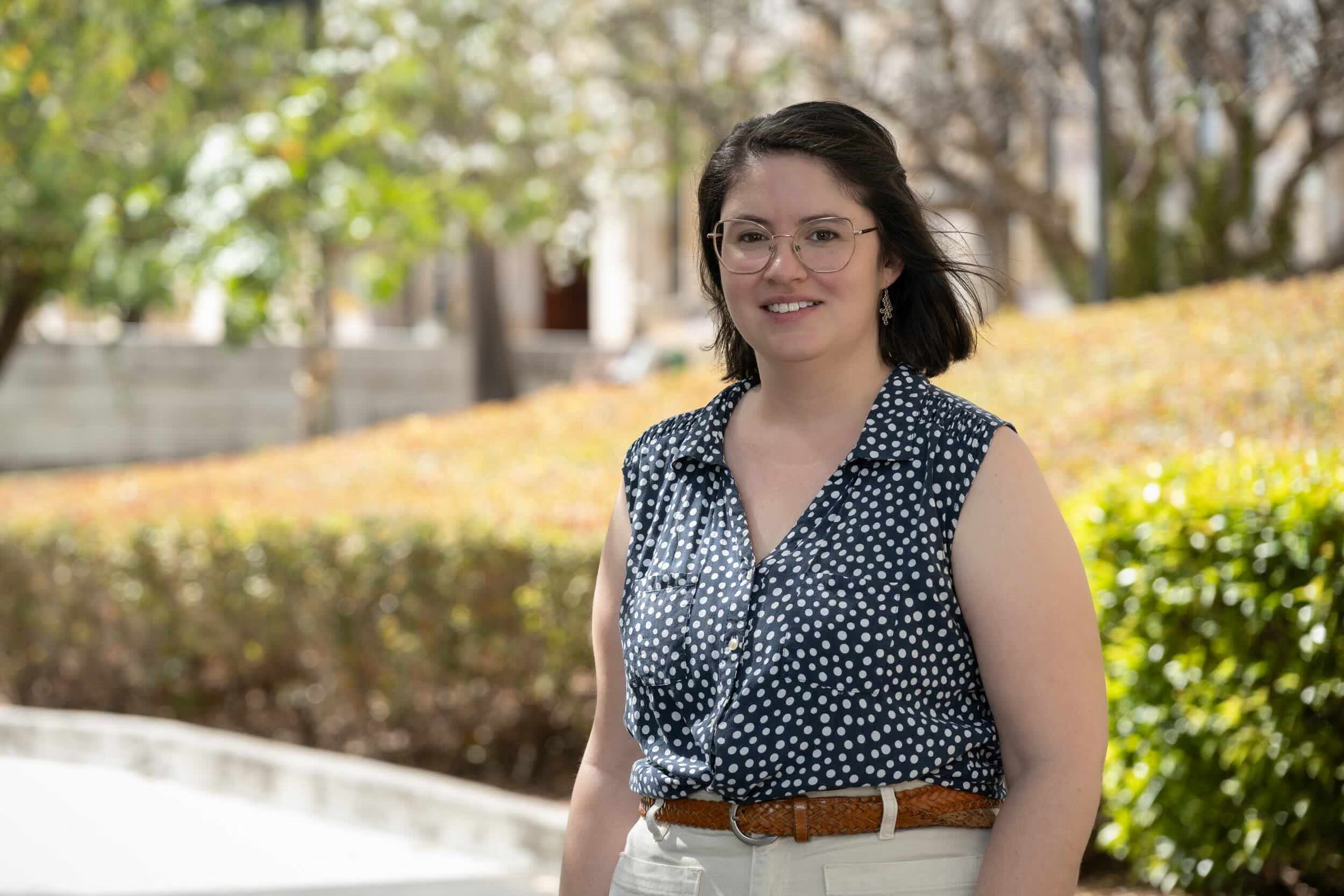
Picture: Dr Laura Grice, Lead Researcher Picture: Dr Laura Grice, Lead Researcher Picture: Dr Laura Grice, Lead Researcher Picture: Dr Laura Grice, Lead Researcher
July 1, 2026

Understanding spinal cord injury recovery

The world's first molecular map of spinal cord injury across time and injury levels

Read More
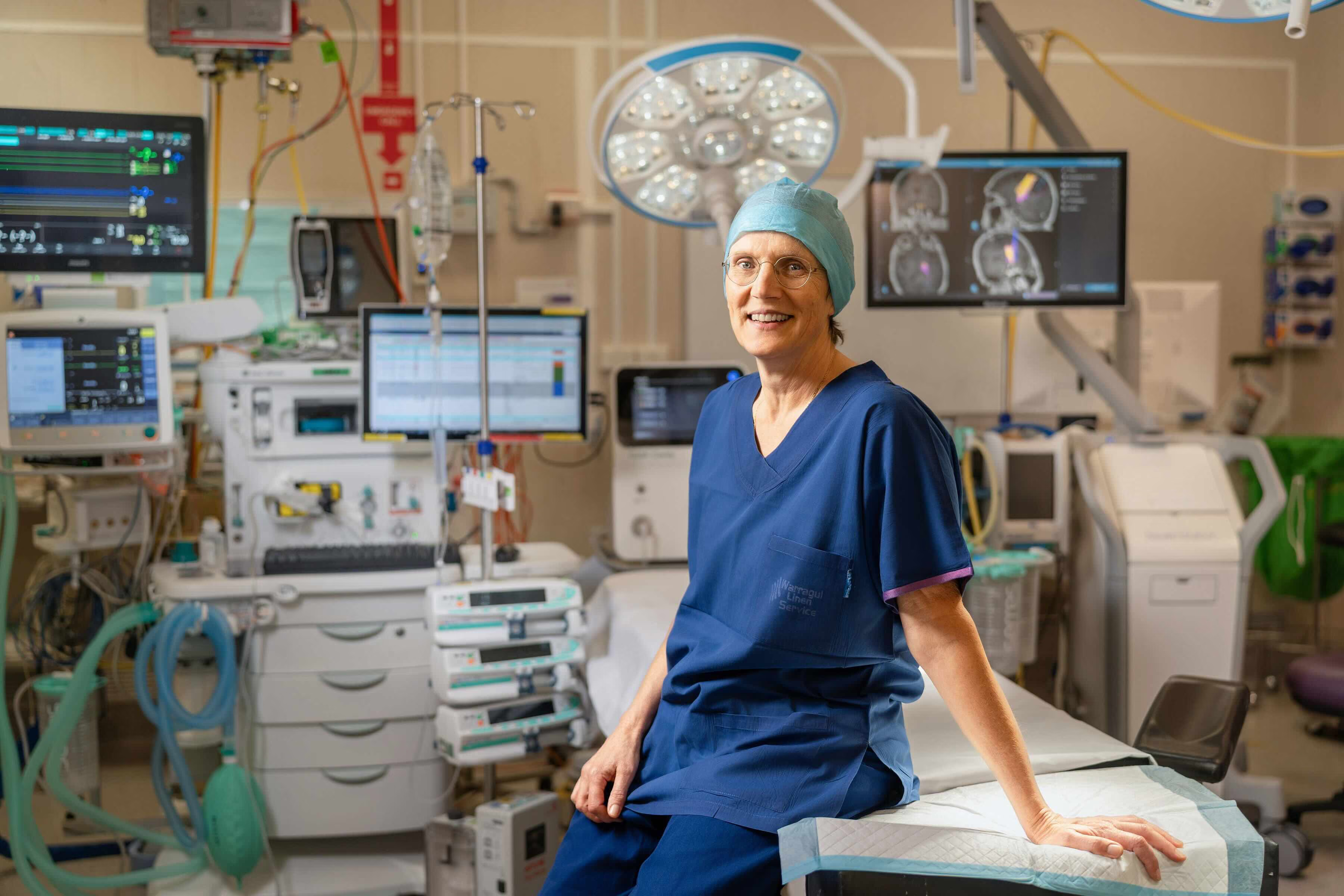
Picture: Professor Lindy Jeffree, Neurosurgeon and Chair, Brain Cancer Australia National Consortium Picture: Professor Lindy Jeffree, Neurosurgeon and Chair, Brain Cancer Australia National Consortium Picture: Professor Lindy Jeffree, Neurosurgeon and Chair, Brain Cancer Australia National Consortium Picture: Professor Lindy Jeffree, Neurosurgeon and Chair, Brain Cancer Australia National Consortium
July 1, 2026

Building the foundations for faster progress against brain cancer

Uniting researchers, clinicians and patients to accelerate research and improve patient care.

Read More
July 1, 2026

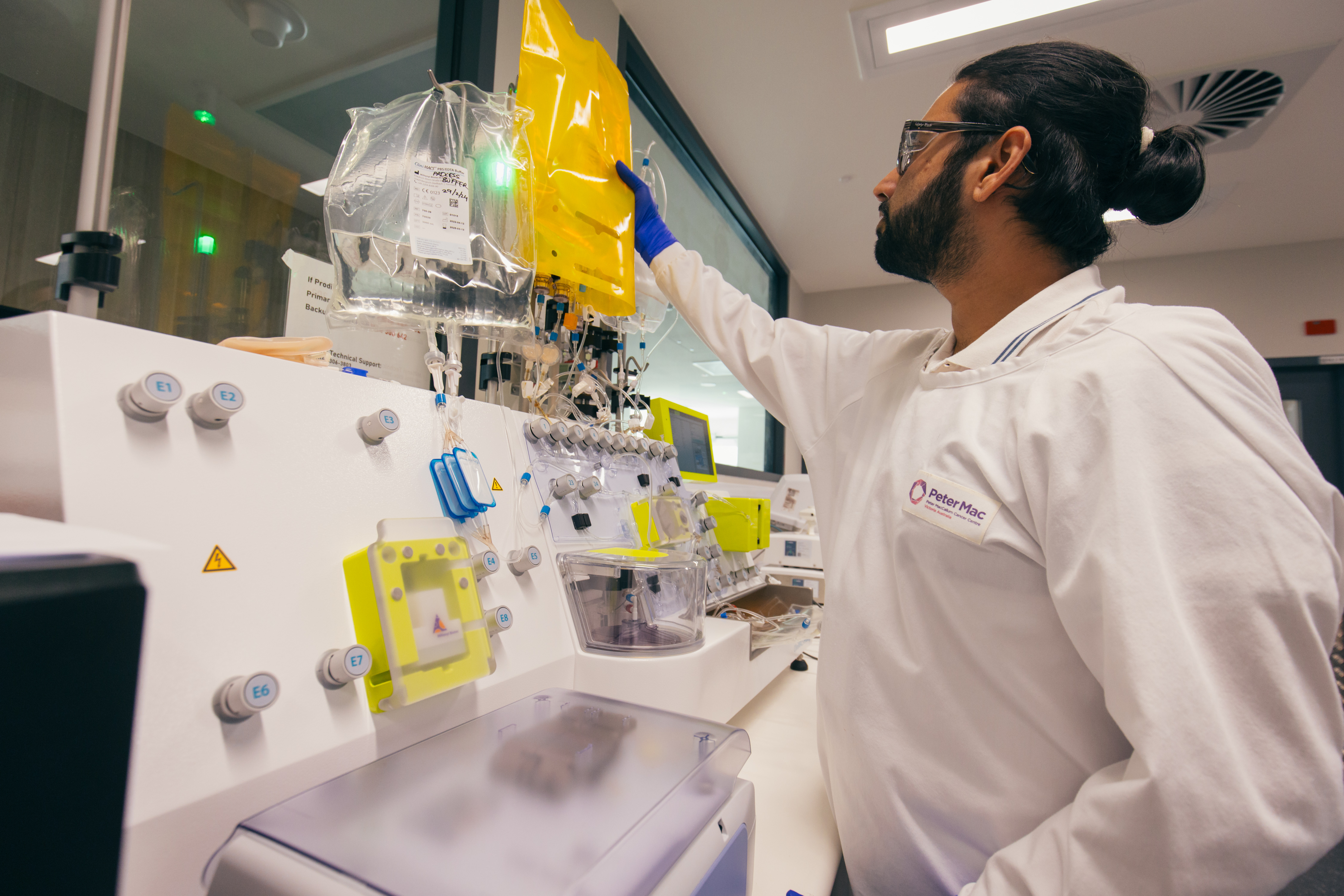
Accelerating CAR-T cell therapies for patients in need 

Bringing innovative cancer therapies closer to patients.

Read More
July 1, 2026

Supporting babies at high risk of cerebral palsy from the very beginning

Testing a family-centred early intervention program to improve outcomes for infants and support parents during the first critical months of life.

Read More
July 1, 2026

Making early cerebral palsy screening more accessible

Exploring new ways to identify babies at risk of cerebral palsy sooner and support better outcomes.

Read More
Picture: Professor Tracy Putoczki, Laboratory Head at WEHIPicture: Professor Tracy Putoczki, Laboratory Head at WEHIPicture: Professor Tracy Putoczki, Laboratory Head at WEHIPicture: Professor Tracy Putoczki, Laboratory Head at WEHI
July 1, 2026

Mapping the surface of pancreatic cancer cells

Identifying proteins on pancreatic cancer cells that could become new targets for developing future treatments.

Read More
Picture: Professor Jane Visvader and Professor Geoff Lindeman from the Breast Cancer Laboratory at WEHI Picture: Professor Jane Visvader and Professor Geoff Lindeman from the Breast Cancer Laboratory at WEHI Picture: Professor Jane Visvader and Professor Geoff Lindeman from the Breast Cancer Laboratory at WEHI Picture: Professor Jane Visvader and Professor Geoff Lindeman from the Breast Cancer Laboratory at WEHI
July 1, 2026

Understanding how breast cancer begins

Tracking the earliest changes in BRCA mutation carriers to help prevent cancer before it starts.

Read More
July 1, 2026

A new path forward for women living with period and pelvic pain

Uncovering the biology driving debilitating symptoms

Read More
Picture: Professor Daniel MacArthurPicture: Professor Daniel MacArthurPicture: Professor Daniel MacArthurPicture: Professor Daniel MacArthur
July 1, 2026

Closing the gap in rare disease diagnosis for Australian families

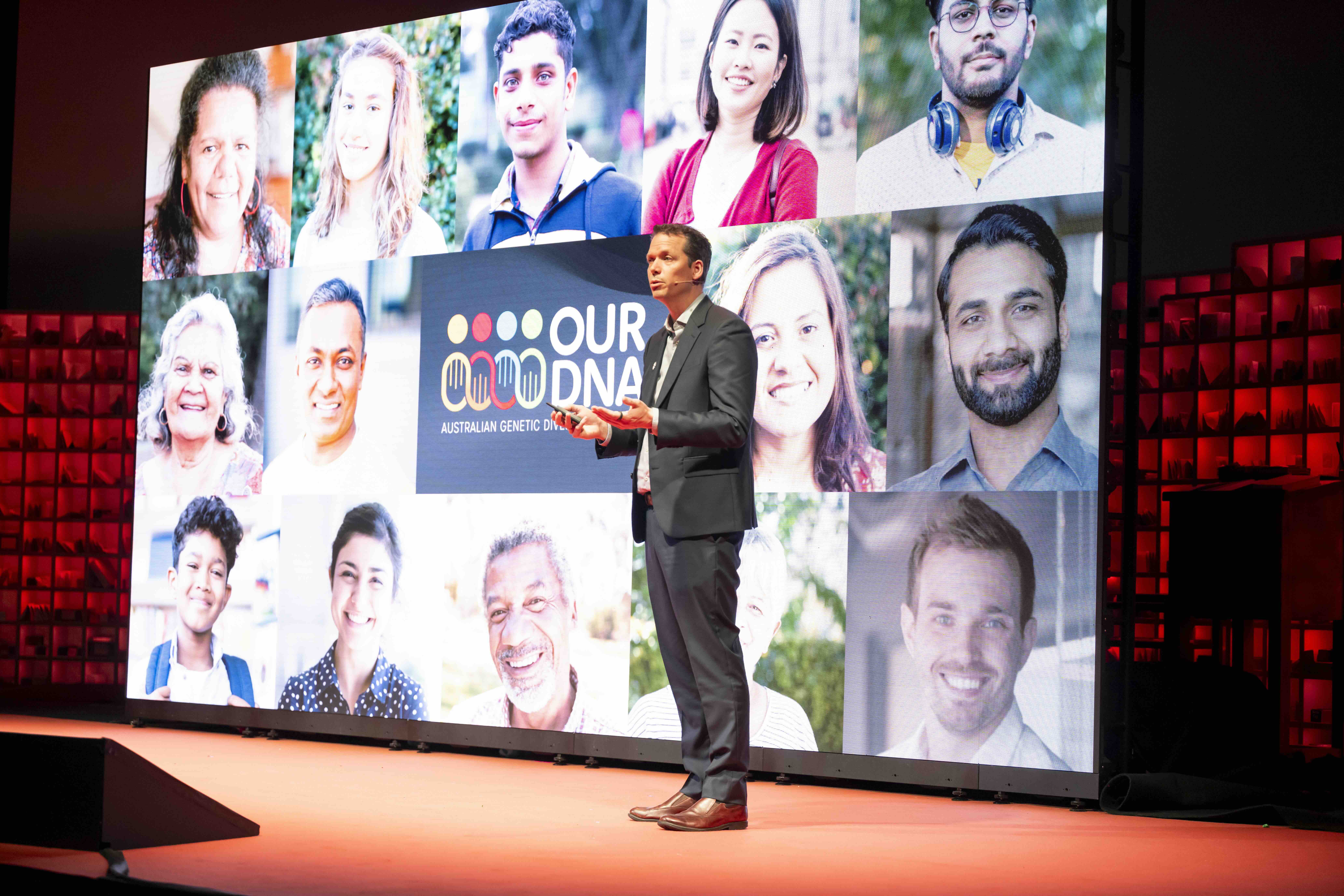
Building better genomic tools and more representative data to help families receive answers sooner.

Read More
PICTURE: A/Prof Rebecca Nisbet and her teamPICTURE: A/Prof Rebecca Nisbet and her teamPICTURE: A/Prof Rebecca Nisbet and her teamPICTURE: A/Prof Rebecca Nisbet and her team
July 1, 2026

Developing a new mRNA vaccine for Alzheimer’s disease

Using innovative technology to explore new possibilities for treatment and prevention.

Read More
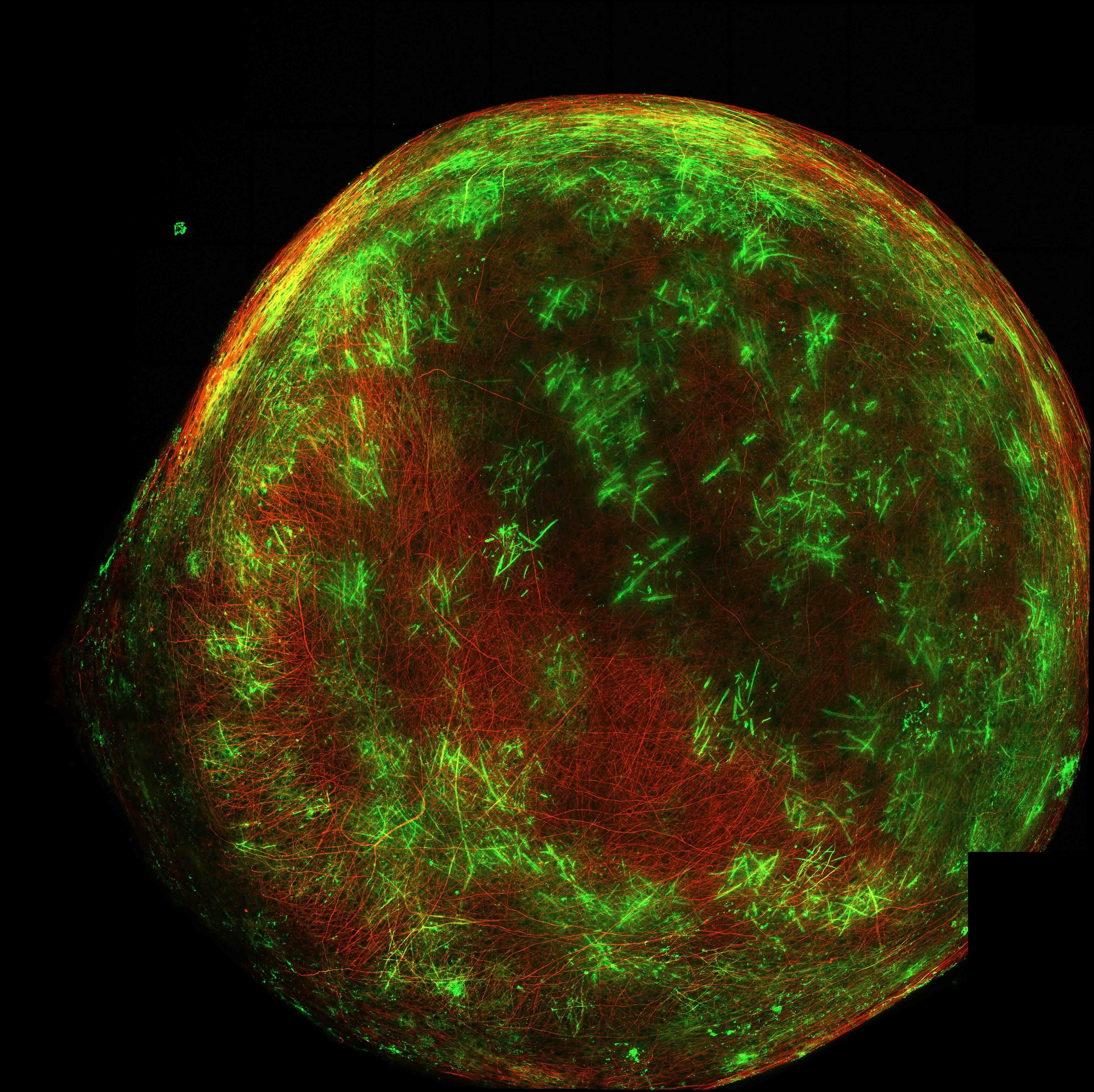
Researchers are growing human “mini-brains” in the laboratory and introducing immune cells from people living with MS. Researchers are growing human “mini-brains” in the laboratory and introducing immune cells from people living with MS. Researchers are growing human “mini-brains” in the laboratory and introducing immune cells from people living with MS. Researchers are growing human “mini-brains” in the laboratory and introducing immune cells from people living with MS.
July 1, 2026

Unlocking new approaches for Multiple Sclerosis

Understanding why the brain fails to repair itself and exploring new treatment possibilities.

Read More
July 1, 2026

Helping emergency doctors make faster decisions with AI

Using Australian-developed artificial intelligence to improve emergency care.

Read More