This Hedge Fund Manager Is Making A 100-Year Bet On Luxury

European leisure and luxury – a designer handbag, a last-minute flight to Monte Carlo, a stay in a five-star hotel – is where many choose to spend their hard-earned cash. For Sharif el Khazen, it’s where he makes it.

Joshua Peach

This Hedge Fund Manager Is Making A 100-Year Bet On Luxury

November 13, 2023
European leisure and luxury – a designer handbag, a last-minute flight to Monte Carlo, a stay in a five-star hotel – is where many choose to spend their hard-earned cash. For Sharif el Khazen, it’s where he makes it.
Read Transcript

European leisure and luxury – a designer handbag, a last-minute flight to Monte Carlo, a stay in a five-star hotel – is where many choose to spend their hard-earned cash. For Sharif el Khazen, it’s where he makes it.

Khazen manages London-based hedge fund Metronome Capital, which he launched in 2013 after leaving a partner position with renowned European manager Parvus Asset Management.

Ten years on, the firm’s long-short fund has developed a reputation for betting big on the luxury and leisure end of the consumer discretionary sector.

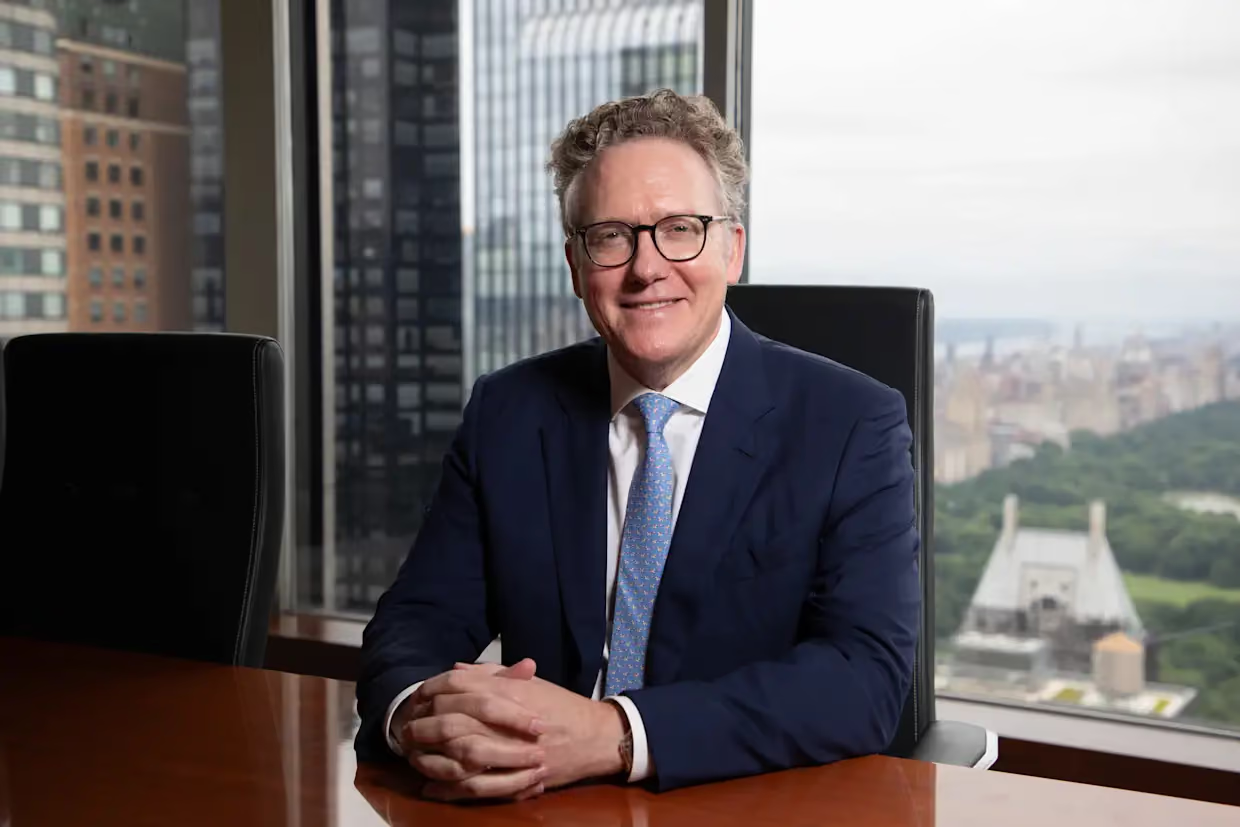
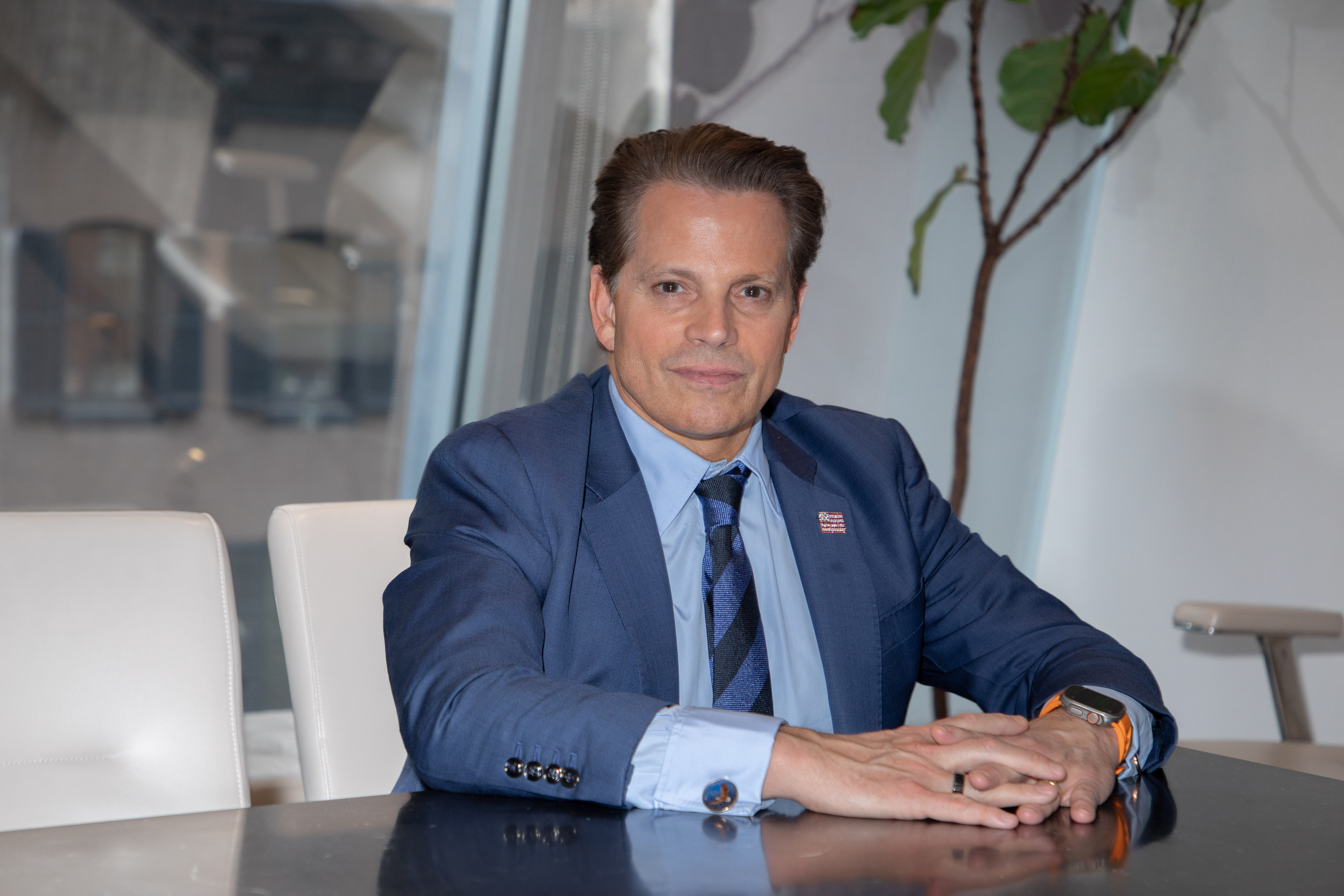
Sharif el Khazen spent four years with Parvus Asset Management before starting his own hedge fund. Picture: David Tett

“A big area for us since inception has been luxury,” Khazen tells The Australian Financial Review as he prepares to present his latest stock pick at Sohn Hearts & Minds in Sydney next week.

“Luxury is pretty unique because you only have three or four high-quality brands that will be here in 100 years. You just need to buy them at the right price.”

But sometimes buying at the right price can mean wading in when the markets get jittery, a skill Khazen says he learnt to master whilst working at Parvus.

“Once I started at Parvus I was bitten by the passion to invest in stocks,” he says.

“When things do get volatile, you need to lean into them in order to generate the returns over the next decades.”

It was this kind of experience that proved vital in Metronome’s first few years, when Khazen and his team were able to capitalise on a downturn in the often maligned consumer discretionary space.

“When we launched there was an anti-corruption clamp down in China, terrorist attacks in Europe and FX was very volatile, which meant that the industry didn’t grow for a couple of quarters,” he said.

But during that time, Metronome began adding to its luxury holdings, picking up Italian luxury fashion house Moncler, Cartier owner Richemont as well as Kering, which owns brands like Gucci, Balenciaga and Yves Saint Laurent.

Alongside Metronome’s existing large stake in French luxury conglomerate LVMH, Khazen says the fund’s luxury holdings have helped fuel returns in the firm’s first decade in operation.

Canary in the coal mine

‍Metronome’s success in luxury is also at odds with the consumer discretionary sector’s reputation of being the canary in the coal mine during economic downturns. But as Khazen points out, not all segments of the sector are alike.

“In times of economic pressure or when inflation has been very high, those companies that cater to the top end of the pyramid are much more resilient,” he says.

“It’s a resilient industry, and we’ve just come out of three years of incredible growth for some of these players.”

Looking ahead, Khazen believes several tailwinds continue to bolster the case for luxury stocks, including a large still untapped market in the world’s second-largest economy.

“We know that there’s a huge reservoir of growth coming from Asia and China in particular,” Khazen says.

“China has 140 million people in the upper middle [class] and that is expected to become 200 million within a couple of years. So you have 60 million more people that can start affording luxury items.”

China’s expanding interest in the market adds to the region’s already bustling appetite for luxury goods. As Khazen points out, on a per capita basis South Korea ranks as the largest luxury market in the world.

“If you survey people and ask people how important is it for you to be seen to be rich, in South Korea, it’s 60 per cent and in China, it’s 50 per cent. In Europe and the US, it’s roughly 25 per cent,” he adds.

“The spend on luxury items in South Korea is over six times that of China, when the GDP per capita is only two and a half times that of China. So you have a massive structural tailwind, coming just from that.”

And while many have been looking in recent months to insurers, industrials or even miners for the pricing power needed to withstand a high inflationary environment, luxury stocks may be overlooked, according to Khazen.

“Luxury has almost infinite pricing power,” he says.

“Look at the Chanel flap bag: The price has doubled in the last three years to over €10,000 ($16,700) and it didn’t really impact the business.”

Leisure is another area that Khazen says is often avoided when it is actually well-placed to maximise returns as the world’s GDP and living standards continue to lift in the decades to come.

“Once you’ve bought your furniture, your car, or your house, and you have more disposable income, you’re going to spend more on experiences and travel,” he says.

“If you used to fly economy and get a budget hotel, you will fly business and get a villa somewhere else. You don’t have that same lever to pull when buying furniture, or cars.”

Metronome has been capitalising on this trend by buying stakes in companies such as online travel website booking.com.


Cyclical panic

‍And while inflation-driven cost of living pressures have turned investors bearish on the outlook for discretionary stocks, Khazen says it’s that kind of cyclical panic that his fund uses to its advantage.

“They will get sold by a portion of the market, but we feel that even if you are wrong for a quarter or two, and earnings are below what you think, it will not matter over a lifetime.”

It hasn’t been smooth sailing as, Khazen points out, having a portfolio significantly exposed to travel and leisure can make a once-in-a-lifetime pandemic a bumpy ride.

“Maybe 14 out of 15 names had their business stop overnight,” he says. “At first we had a pretty aggressive drawdown, but we were very disciplined and stuck to our philosophy.

“We had some businesses that were big victims of COVID, but we thought they would come out better businesses, post COVID. We just had to be patient and make sure they had the financial resources to survive that year or two without profits.”

A few years, on and Khazen says his team is continuing to find businesses that were hit by the pandemic and remain undervalued.

“It wasn’t all smooth sailing, but I think we’re in a great position today to build and to expand the business.”

Among the luxury brands, Metronome has retained just one of the names it held in the past, LVMH, alongside stakes in betting companies, bowling alleys and caterers.

“Today we only own one name in the luxury space, but we would love to own more. Either some stocks are too expensive or we have some fundamental issues with some of their brands – we’re watching that space very closely.

“There’s a period of normalisation today and yes, a weak consumer,” he concedes.

“We’re not really sure where it will land, but what we know with a high conviction is that the scale player will gain [market] share in any downturn and will come out a better business at the other end.”

Sharif el Khazen will speak at Sohn Hearts & Minds at the Sydney Opera House on November 17. All profits will support Australian medical research organisations. The Australian Financial Review is a media partner for sohnheartsandminds.com.au

This article was originally posted by The Australian Financial Review here.

Licensed by Copyright Agency. You must not copy this work without permission.
European leisure and luxury – a designer handbag, a last-minute flight to Monte Carlo, a stay in a five-star hotel – is where many choose to spend their hard-earned cash. For Sharif el Khazen, it’s where he makes it.

Khazen manages London-based hedge fund Metronome Capital, which he launched in 2013 after leaving a partner position with renowned European manager Parvus Asset Management.

Ten years on, the firm’s long-short fund has developed a reputation for betting big on the luxury and leisure end of the consumer discretionary sector.

Sharif el Khazen spent four years with Parvus Asset Management before starting his own hedge fund. Picture: David Tett

“A big area for us since inception has been luxury,” Khazen tells The Australian Financial Review as he prepares to present his latest stock pick at Sohn Hearts & Minds in Sydney next week.

“Luxury is pretty unique because you only have three or four high-quality brands that will be here in 100 years. You just need to buy them at the right price.”

But sometimes buying at the right price can mean wading in when the markets get jittery, a skill Khazen says he learnt to master whilst working at Parvus.

“Once I started at Parvus I was bitten by the passion to invest in stocks,” he says.

“When things do get volatile, you need to lean into them in order to generate the returns over the next decades.”

It was this kind of experience that proved vital in Metronome’s first few years, when Khazen and his team were able to capitalise on a downturn in the often maligned consumer discretionary space.

“When we launched there was an anti-corruption clamp down in China, terrorist attacks in Europe and FX was very volatile, which meant that the industry didn’t grow for a couple of quarters,” he said.

But during that time, Metronome began adding to its luxury holdings, picking up Italian luxury fashion house Moncler, Cartier owner Richemont as well as Kering, which owns brands like Gucci, Balenciaga and Yves Saint Laurent.

Alongside Metronome’s existing large stake in French luxury conglomerate LVMH, Khazen says the fund’s luxury holdings have helped fuel returns in the firm’s first decade in operation.

Canary in the coal mine

‍Metronome’s success in luxury is also at odds with the consumer discretionary sector’s reputation of being the canary in the coal mine during economic downturns. But as Khazen points out, not all segments of the sector are alike.

“In times of economic pressure or when inflation has been very high, those companies that cater to the top end of the pyramid are much more resilient,” he says.

“It’s a resilient industry, and we’ve just come out of three years of incredible growth for some of these players.”

Looking ahead, Khazen believes several tailwinds continue to bolster the case for luxury stocks, including a large still untapped market in the world’s second-largest economy.

“We know that there’s a huge reservoir of growth coming from Asia and China in particular,” Khazen says.

“China has 140 million people in the upper middle [class] and that is expected to become 200 million within a couple of years. So you have 60 million more people that can start affording luxury items.”

China’s expanding interest in the market adds to the region’s already bustling appetite for luxury goods. As Khazen points out, on a per capita basis South Korea ranks as the largest luxury market in the world.

“If you survey people and ask people how important is it for you to be seen to be rich, in South Korea, it’s 60 per cent and in China, it’s 50 per cent. In Europe and the US, it’s roughly 25 per cent,” he adds.

“The spend on luxury items in South Korea is over six times that of China, when the GDP per capita is only two and a half times that of China. So you have a massive structural tailwind, coming just from that.”

And while many have been looking in recent months to insurers, industrials or even miners for the pricing power needed to withstand a high inflationary environment, luxury stocks may be overlooked, according to Khazen.

“Luxury has almost infinite pricing power,” he says.

“Look at the Chanel flap bag: The price has doubled in the last three years to over €10,000 ($16,700) and it didn’t really impact the business.”

Leisure is another area that Khazen says is often avoided when it is actually well-placed to maximise returns as the world’s GDP and living standards continue to lift in the decades to come.

“Once you’ve bought your furniture, your car, or your house, and you have more disposable income, you’re going to spend more on experiences and travel,” he says.

“If you used to fly economy and get a budget hotel, you will fly business and get a villa somewhere else. You don’t have that same lever to pull when buying furniture, or cars.”

Metronome has been capitalising on this trend by buying stakes in companies such as online travel website booking.com.


Cyclical panic

‍And while inflation-driven cost of living pressures have turned investors bearish on the outlook for discretionary stocks, Khazen says it’s that kind of cyclical panic that his fund uses to its advantage.

“They will get sold by a portion of the market, but we feel that even if you are wrong for a quarter or two, and earnings are below what you think, it will not matter over a lifetime.”

It hasn’t been smooth sailing as, Khazen points out, having a portfolio significantly exposed to travel and leisure can make a once-in-a-lifetime pandemic a bumpy ride.

“Maybe 14 out of 15 names had their business stop overnight,” he says. “At first we had a pretty aggressive drawdown, but we were very disciplined and stuck to our philosophy.

“We had some businesses that were big victims of COVID, but we thought they would come out better businesses, post COVID. We just had to be patient and make sure they had the financial resources to survive that year or two without profits.”

A few years, on and Khazen says his team is continuing to find businesses that were hit by the pandemic and remain undervalued.

“It wasn’t all smooth sailing, but I think we’re in a great position today to build and to expand the business.”

Among the luxury brands, Metronome has retained just one of the names it held in the past, LVMH, alongside stakes in betting companies, bowling alleys and caterers.

“Today we only own one name in the luxury space, but we would love to own more. Either some stocks are too expensive or we have some fundamental issues with some of their brands – we’re watching that space very closely.

“There’s a period of normalisation today and yes, a weak consumer,” he concedes.

“We’re not really sure where it will land, but what we know with a high conviction is that the scale player will gain [market] share in any downturn and will come out a better business at the other end.”

Sharif el Khazen will speak at Sohn Hearts & Minds at the Sydney Opera House on November 17. All profits will support Australian medical research organisations. The Australian Financial Review is a media partner for sohnheartsandminds.com.au

This article was originally posted by The Australian Financial Review here.

Licensed by Copyright Agency. You must not copy this work without permission.

Disclaimer: This material has been prepared by Australian Financial Review, published on Nov 13, 2023. HM1 is not responsible for the content of linked websites or content prepared by third party. The inclusion of these links and third-party content does not in any way imply any form of endorsement by HM1 of the products or services provided by persons or organisations who are responsible for the linked websites and third-party content. This information is for general information only and does not consider the objectives, financial situation or needs of any person. Before making an investment decision, you should read the relevant disclosure document (if appropriate) and seek professional advice to determine whether the investment and information is suitable for you.

facebook
linkedin
All
Thank you! Your submission has been received!
Oops! Something went wrong while submitting the form.
March 14, 2025

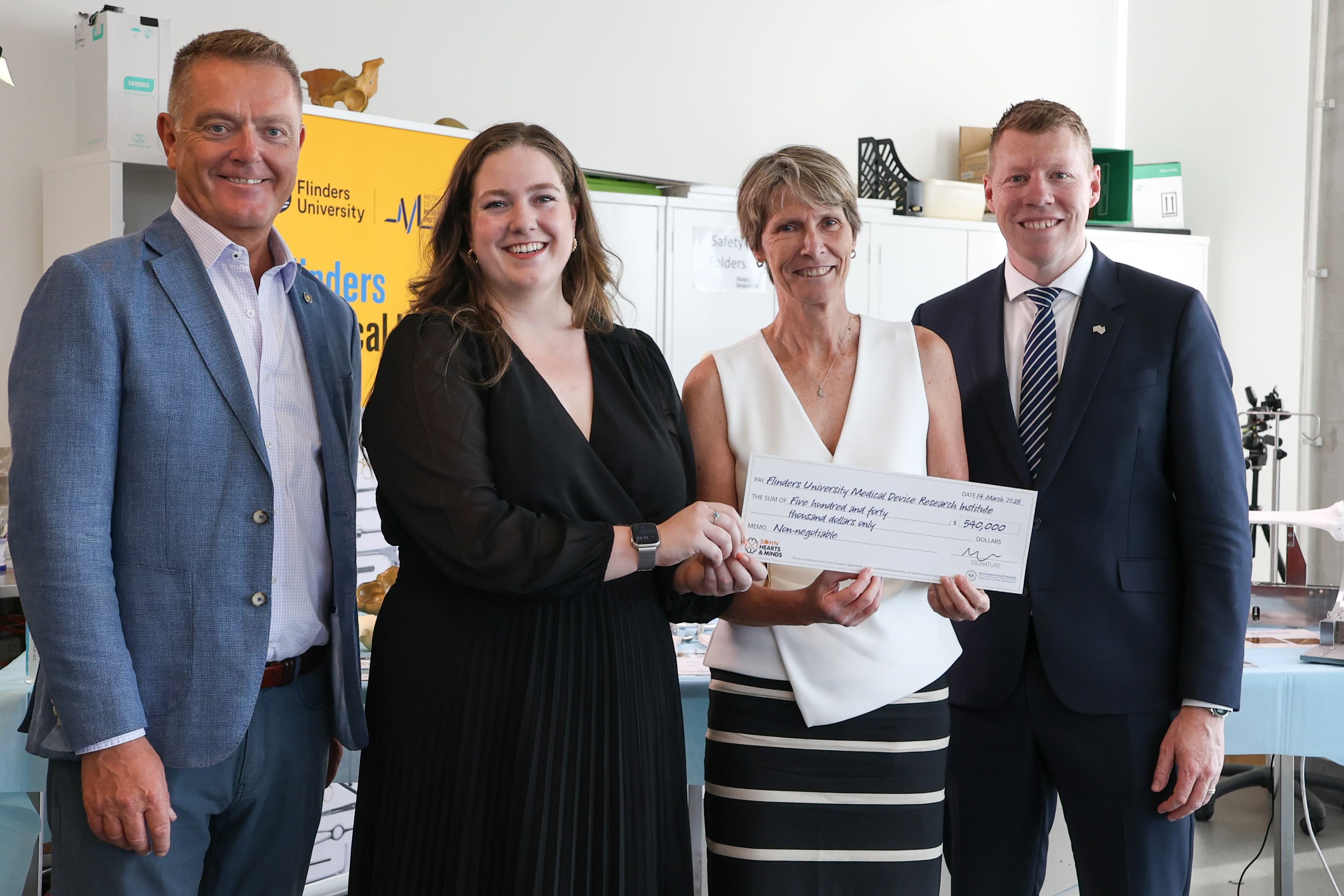
$1.4 million boost for SA medical research

South Australian medical research will receive a $1.4 million cash injection, as a direct result of a major investment and philanthropy conference held in Adelaide.

Read More
Anthony Scaramucci’s time in the White House was brief but memorable. APAnthony Scaramucci’s time in the White House was brief but memorable. APAnthony Scaramucci’s time in the White House was brief but memorable. APAnthony Scaramucci’s time in the White House was brief but memorable. AP
May 19, 2025

Why ‘The Mooch’ thinks Trump is more dangerous this time around

Anthony Scaramucci says Trump has fewer constraints on his worst instincts in his second administration. But he still gets bored easily.

Read More
Image caption: Anthony “The Mooch” Scaramucci at the New York headquarters of his SkyBridge Capital last week. Picture: Jaclyn LichtImage caption: Anthony “The Mooch” Scaramucci at the New York headquarters of his SkyBridge Capital last week. Picture: Jaclyn LichtImage caption: Anthony “The Mooch” Scaramucci at the New York headquarters of his SkyBridge Capital last week. Picture: Jaclyn LichtImage caption: Anthony “The Mooch” Scaramucci at the New York headquarters of his SkyBridge Capital last week. Picture: Jaclyn Licht
May 19, 2025

My biggest mistake: Anthony Scaramucci on what makes Donald Trump tick

On Elon Musk, money and the White House, fast-talking Wall Street hedge fund manager and former Trump communications director Anthony Scaramucci tells it as he sees it.

Read More
A bull case for Bitcoin even as it trades near record levels. Picture: AFPA bull case for Bitcoin even as it trades near record levels. Picture: AFPA bull case for Bitcoin even as it trades near record levels. Picture: AFPA bull case for Bitcoin even as it trades near record levels. Picture: AFP
May 19, 2025

Bitcoin ‘on track’ for $US200,000: Anthony Scaramucci

Bitcoin could hit as much as $US200,000 ($311,000) by the end of this year, fuelled by surging inflows into exchange-traded funds and Donald Trump’s erratic policymaking.

Read More
Anthony Scaramucci says America has no choice but to lower tariffs on China further. Jaclyn LichtAnthony Scaramucci says America has no choice but to lower tariffs on China further. Jaclyn LichtAnthony Scaramucci says America has no choice but to lower tariffs on China further. Jaclyn LichtAnthony Scaramucci says America has no choice but to lower tariffs on China further. Jaclyn Licht
May 19, 2025

‘The Mooch’ says Trump will have to cut China tariffs below 10pc

Scaramucci, who is best known as The Mooch, is the first big-name global investor to be confirmed for the Sohn Hearts & Minds conference in Sydney in November.

Read More
Matthew McLennan in his office at First Eagle Investments in New York. Picture: Jaclyn LichtMatthew McLennan in his office at First Eagle Investments in New York. Picture: Jaclyn LichtMatthew McLennan in his office at First Eagle Investments in New York. Picture: Jaclyn LichtMatthew McLennan in his office at First Eagle Investments in New York. Picture: Jaclyn Licht
July 7, 2025

A golden year for Wall Street’s Australian stock picker

Matthew McLennan’s $14.5 billion position in gold bars and miners paid off handsomely for First Eagle this year. But he insists the precious metal still has room to run.

Read More
Stillpoint Investments founder and chief investment officer Eric Wong. Picture: Jaclyn LichtStillpoint Investments founder and chief investment officer Eric Wong. Picture: Jaclyn LichtStillpoint Investments founder and chief investment officer Eric Wong. Picture: Jaclyn LichtStillpoint Investments founder and chief investment officer Eric Wong. Picture: Jaclyn Licht
September 25, 2025

Stillpoint founder Eric Wong reveals major China tech investment strategy

Eric Wong will present his investment case at the Sohn Hearts & Minds conference at the Sydney Opera House on Friday, November 14.

Read More
October 1, 2025

Billionaire hedge fund manager enacts ‘little short’ on the market

Investing veteran Lord Michael Hintze says he’s taking out insurance against expensive debt and equity markets that are being propelled by passive flows.

Read More
October 1, 2025

Hedge fund guru Michael Hintze can't out-trade machines but he can still 'out-invest' them

Billionaire hedge fund manager Michael Hintze says the world is more dangerous than he has ever seen, artificial intelligence is stifling people’s ability to learn and process information.

Read More
Marathon Resource Advisors founder and chief investment officer Robert Mullin in San Francisco.Marathon Resource Advisors founder and chief investment officer Robert Mullin in San Francisco.Marathon Resource Advisors founder and chief investment officer Robert Mullin in San Francisco.Marathon Resource Advisors founder and chief investment officer Robert Mullin in San Francisco.
October 5, 2025

Marathon CIO Robert Mullin reveals why gold stocks are still undervalued

The son of a stockbroker, Mr Mullin has more than 30 years' investing experience and is chief investment officer at Marathon Resource Advisors in San Francisco, a company he founded.

Read More
First Eagle Investments co-head of global value Matthew McLennan. Picture: Jaclyn LichtFirst Eagle Investments co-head of global value Matthew McLennan. Picture: Jaclyn LichtFirst Eagle Investments co-head of global value Matthew McLennan. Picture: Jaclyn LichtFirst Eagle Investments co-head of global value Matthew McLennan. Picture: Jaclyn Licht
October 6, 2025

First Eagle’s Matthew McLennan on the monetary force that could be ‘rocket fuel’ for the Australian dollar

Matthew McLennan, the co-head of the global value team and portfolio manager at the $US161bn ($243bn) First Eagle Investments, stormed the market with a bullish bet on gold.

Read More
October 10, 2025

Anthony Scaramucci’s advice to our PM is to seek his Canadian counterpart’s counsel

Beyond Wall Street, The Mooch is better known for his cutting takes on US politics in the popular podcast The Rest is Politics: US, which he hosts with BBC’s long-term North American correspondent Katty Kay.

Read More
October 19, 2025

Munro Partners' Qiao Ma reveals AI investment strategy

Qiao Ma has a simple test for spotting the investment opportunities that will define the next decade. Take the technology apart and see what’s inside.

Read More
October 21, 2025

Meet the 2025 Conference Managers

Following a global search, the Conference Fund Manager Selection Committee is pleased to share ten new managers for 2025.

Read More
October 31, 2025

The 42pc gain that shows why Sohn is a stock picker’s delight

It turns out you could have outperformed the seemingly unstoppable magnificent seven tech stocks if you simply acted on the 11 stock picks at Sohn last year.

Read More