The Australian At The Centre Of Dalio’s Bridgewater – Who Loves It

The culture at Ray Dalio’s massive hedge fund has been a source of intrigue, and with a new book, controversy. Atul Lele says it’s made him a better investor.

Jonathan Shapiro

The Australian At The Centre Of Dalio’s Bridgewater – Who Loves It

November 12, 2023
The culture at Ray Dalio’s massive hedge fund has been a source of intrigue, and with a new book, controversy. Atul Lele says it’s made him a better investor.
Read Transcript

The culture at Ray Dalio’s massive hedge fund has been a source of intrigue, and with a new book, controversy. Atul Lele says it’s made him a better investor.

On a frosty February morning in 2015 Australian analyst Atul Lele appeared on Tom Keane’s Bloomberg Surveillance program in New York City.

At least one viewer was impressed with Lele’s call to dump emerging market assets as the Federal Reserve sucked money out of the global economy. That happened to be Ray Dalio, the founder of Bridgewater, the world’s largest hedge fund. Soon after, Lele was invited to Westport, Connecticut to meet Dalio and his deputies, Bob Prince and Greg Jensen.

Lele had, in 2013, left Credit Suisse to become the chief investment officer at Deltec, a private bank headquartered in the Bahamas.

By 2017, he had been lured to Bridgewater as a senior portfolio strategist. He hasn’t looked back. “It’s a meritocracy here, that’s for sure,” says Lele, who is returning to Sydney this week to appear at the Sohn Hearts & Minds investor conference, which takes place on Friday at the Opera House.

Dalio appeared in person at the 2019 conference, which is held to raise money for medical research, and has extensive links to Australia. His first client was Alan Bond in the 1980s and the earliest investor in his funds were Australian wealth managers and super funds such as MLC and SunSuper.

He also owns about $300 million of Australian farmland.

Dalio, Bridgewater and the culture he has fostered are a topic of endless intrigue and fascination. That is bubbling to the surface with the release of an unauthorised book about the firm by reporter Rob Copeland.

Extracts from The Fund that ran in several publications portrayed Bridgewater as a dysfunctional and at times bizarre place to work and Dalio as overly controlling and petty. Dalio, himself a bestselling author, has taken to social media to dismiss the book as “sensational and inaccurate”.

Central to Bridgewater is a belief in radical transparency – in which staff are expected to openly praise and criticise each other to drive improvement.

Lele may be a sample size of one, but he’s clearly embraced his time at Bridgewater, which he says stresses the pursuit of excellence in investment thinking and organisational structures to get the best ideas.

“The growth that I’ve had, as an investor and as a person has actually come through the culture of being transparent, looking at your mistakes, at the areas you’re strong and trying to improve upon all of that,” he says.

The Bridgewater process, Lele says, involves “deeply understanding economies and markets” in a fundamental and systematic way. The fundamental part is based on a view that markets and economies move for “logical reasons that can be understood”.

Bridgewater therefore tries to work out the causes and effects of the macroeconomy.

Take the 10-year US bond rate, for example. That is influenced by monetary policy, and inflation. Inflation is influenced by wages, productivity, exchange rates, raw material costs. Wages, in turn are influenced by the supply and demand of labour, and so on. The systematic aspect is to codify these relationships so that the changes in these variables can be analysed through time and across markets to better understand the environment.


Four paradigm shifts


Lele says he has four pieces of advice for young analysts hoping to follow a similar path that has taken him from a junior analyst at a Sydney-based boutique firm to the largest hedge fund in the world.

The first is to have a genuine passion for markets and the macroeconomy. The second is to work hard. The third is to be open-minded about your strengths and weaknesses and the fourth is to have integrity, which builds strong and sustainable relationships among colleagues and peers.

For Australian investors his message is starker.

He believes most institutions simply aren’t appropriately positioned for a regime shift that has taken place in financial markets and the economy. Australian portfolios – be they institutions or individuals – are particularly overexposed to a return to the status quo that seems unlikely.

Lele cites four clear paradigm shifts in the macroeconomy that has left him convinced of this.

The first is that the pro-corporate environment of the last four decades is over. In that time, margins have been helped by falling interest rates, lower input costs, reduced red tape and globalisation. Those are all in reverse.

The second is an end to the pro-liquidity environment of falling interest rates, culminating in quantitative easing. This time liquidity is a more holistic mix of monetary and fiscal policy, which is less favourable to asset owners.

The third is an end of a pro-growth environment which is largely a function of cheaper money and higher profit margins and disinflation. The fourth is the end of a period of globalisation and relative harmony being replaced by one of regionalisation and conflict.

This is a world that very few investors are prepared for, in particular Australian investors that tend to be equity and property centric.

“Bridgewater deals with the deepest and most sophisticated pools of capital on the planet and when we go out and speak to our partners around the world, we say that most investors aren’t set up for this [environment].”

Most investors, he says, have a portfolio that is a variation of the 60/40 stock and bond portfolio. “They are basically making a bet on that pro-growth, pro liquidity environment continuing. That’s actually the biggest risk,” he adds.

Lele says investors should consider making their portfolios more resilient to the range of outcomes that lie ahead. In particular, to reduce exposures to assets that rely on growth and liquidity, and increase their exposure to assets that provide protection against higher inflation.

What about the Australian economy? While there has been an evolution of sorts, the economy remains dependent on global growth and liquidity.

This makes us susceptible to the paradigm shifts he outlined.

But, he said, Australia could actually be a beneficiary in an environment of cost-push inflation that results in higher commodity prices.

Cost-push inflation describes a scenario in which the cost of raw materials rise, which would boost the revenues of miners.

Lele says Bridgewater actually modelled how a freely floating Australian dollar would have fared in the 1970s – a period of high inflation and low growth, or stagflation (The Australian dollar floated in 1983).

The study revealed the currency, in theory, performed well, which suggested the economy and our resource companies could yet prove resilient.

But that was not a good time to own stocks and bonds, and for this reason, Lele is urging investors to be prepared, and keep an open mind.

Atul Lele will speak at Sohn Hearts & Minds at the Sydney Opera House on November 17. The Australian Financial Review is a media partner.

This article was originally posted by The Australian Financial Review here.

Licensed by Copyright Agency. You must not copy this work without permission.
The culture at Ray Dalio’s massive hedge fund has been a source of intrigue, and with a new book, controversy. Atul Lele says it’s made him a better investor.

On a frosty February morning in 2015 Australian analyst Atul Lele appeared on Tom Keane’s Bloomberg Surveillance program in New York City.

At least one viewer was impressed with Lele’s call to dump emerging market assets as the Federal Reserve sucked money out of the global economy. That happened to be Ray Dalio, the founder of Bridgewater, the world’s largest hedge fund. Soon after, Lele was invited to Westport, Connecticut to meet Dalio and his deputies, Bob Prince and Greg Jensen.

Lele had, in 2013, left Credit Suisse to become the chief investment officer at Deltec, a private bank headquartered in the Bahamas.

By 2017, he had been lured to Bridgewater as a senior portfolio strategist. He hasn’t looked back. “It’s a meritocracy here, that’s for sure,” says Lele, who is returning to Sydney this week to appear at the Sohn Hearts & Minds investor conference, which takes place on Friday at the Opera House.

Dalio appeared in person at the 2019 conference, which is held to raise money for medical research, and has extensive links to Australia. His first client was Alan Bond in the 1980s and the earliest investor in his funds were Australian wealth managers and super funds such as MLC and SunSuper.

He also owns about $300 million of Australian farmland.

Dalio, Bridgewater and the culture he has fostered are a topic of endless intrigue and fascination. That is bubbling to the surface with the release of an unauthorised book about the firm by reporter Rob Copeland.

Extracts from The Fund that ran in several publications portrayed Bridgewater as a dysfunctional and at times bizarre place to work and Dalio as overly controlling and petty. Dalio, himself a bestselling author, has taken to social media to dismiss the book as “sensational and inaccurate”.

Central to Bridgewater is a belief in radical transparency – in which staff are expected to openly praise and criticise each other to drive improvement.

Lele may be a sample size of one, but he’s clearly embraced his time at Bridgewater, which he says stresses the pursuit of excellence in investment thinking and organisational structures to get the best ideas.

“The growth that I’ve had, as an investor and as a person has actually come through the culture of being transparent, looking at your mistakes, at the areas you’re strong and trying to improve upon all of that,” he says.

The Bridgewater process, Lele says, involves “deeply understanding economies and markets” in a fundamental and systematic way. The fundamental part is based on a view that markets and economies move for “logical reasons that can be understood”.

Bridgewater therefore tries to work out the causes and effects of the macroeconomy.

Take the 10-year US bond rate, for example. That is influenced by monetary policy, and inflation. Inflation is influenced by wages, productivity, exchange rates, raw material costs. Wages, in turn are influenced by the supply and demand of labour, and so on. The systematic aspect is to codify these relationships so that the changes in these variables can be analysed through time and across markets to better understand the environment.


Four paradigm shifts


Lele says he has four pieces of advice for young analysts hoping to follow a similar path that has taken him from a junior analyst at a Sydney-based boutique firm to the largest hedge fund in the world.

The first is to have a genuine passion for markets and the macroeconomy. The second is to work hard. The third is to be open-minded about your strengths and weaknesses and the fourth is to have integrity, which builds strong and sustainable relationships among colleagues and peers.

For Australian investors his message is starker.

He believes most institutions simply aren’t appropriately positioned for a regime shift that has taken place in financial markets and the economy. Australian portfolios – be they institutions or individuals – are particularly overexposed to a return to the status quo that seems unlikely.

Lele cites four clear paradigm shifts in the macroeconomy that has left him convinced of this.

The first is that the pro-corporate environment of the last four decades is over. In that time, margins have been helped by falling interest rates, lower input costs, reduced red tape and globalisation. Those are all in reverse.

The second is an end to the pro-liquidity environment of falling interest rates, culminating in quantitative easing. This time liquidity is a more holistic mix of monetary and fiscal policy, which is less favourable to asset owners.

The third is an end of a pro-growth environment which is largely a function of cheaper money and higher profit margins and disinflation. The fourth is the end of a period of globalisation and relative harmony being replaced by one of regionalisation and conflict.

This is a world that very few investors are prepared for, in particular Australian investors that tend to be equity and property centric.

“Bridgewater deals with the deepest and most sophisticated pools of capital on the planet and when we go out and speak to our partners around the world, we say that most investors aren’t set up for this [environment].”

Most investors, he says, have a portfolio that is a variation of the 60/40 stock and bond portfolio. “They are basically making a bet on that pro-growth, pro liquidity environment continuing. That’s actually the biggest risk,” he adds.

Lele says investors should consider making their portfolios more resilient to the range of outcomes that lie ahead. In particular, to reduce exposures to assets that rely on growth and liquidity, and increase their exposure to assets that provide protection against higher inflation.

What about the Australian economy? While there has been an evolution of sorts, the economy remains dependent on global growth and liquidity.

This makes us susceptible to the paradigm shifts he outlined.

But, he said, Australia could actually be a beneficiary in an environment of cost-push inflation that results in higher commodity prices.

Cost-push inflation describes a scenario in which the cost of raw materials rise, which would boost the revenues of miners.

Lele says Bridgewater actually modelled how a freely floating Australian dollar would have fared in the 1970s – a period of high inflation and low growth, or stagflation (The Australian dollar floated in 1983).

The study revealed the currency, in theory, performed well, which suggested the economy and our resource companies could yet prove resilient.

But that was not a good time to own stocks and bonds, and for this reason, Lele is urging investors to be prepared, and keep an open mind.

Atul Lele will speak at Sohn Hearts & Minds at the Sydney Opera House on November 17. The Australian Financial Review is a media partner.

This article was originally posted by The Australian Financial Review here.

Licensed by Copyright Agency. You must not copy this work without permission.

Disclaimer: This material has been prepared by Australian Financial Review, published on Nov 12, 2023. HM1 is not responsible for the content of linked websites or content prepared by third party. The inclusion of these links and third-party content does not in any way imply any form of endorsement by HM1 of the products or services provided by persons or organisations who are responsible for the linked websites and third-party content. This information is for general information only and does not consider the objectives, financial situation or needs of any person. Before making an investment decision, you should read the relevant disclosure document (if appropriate) and seek professional advice to determine whether the investment and information is suitable for you.

facebook
linkedin
All
Thank you! Your submission has been received!
Oops! Something went wrong while submitting the form.
March 14, 2025

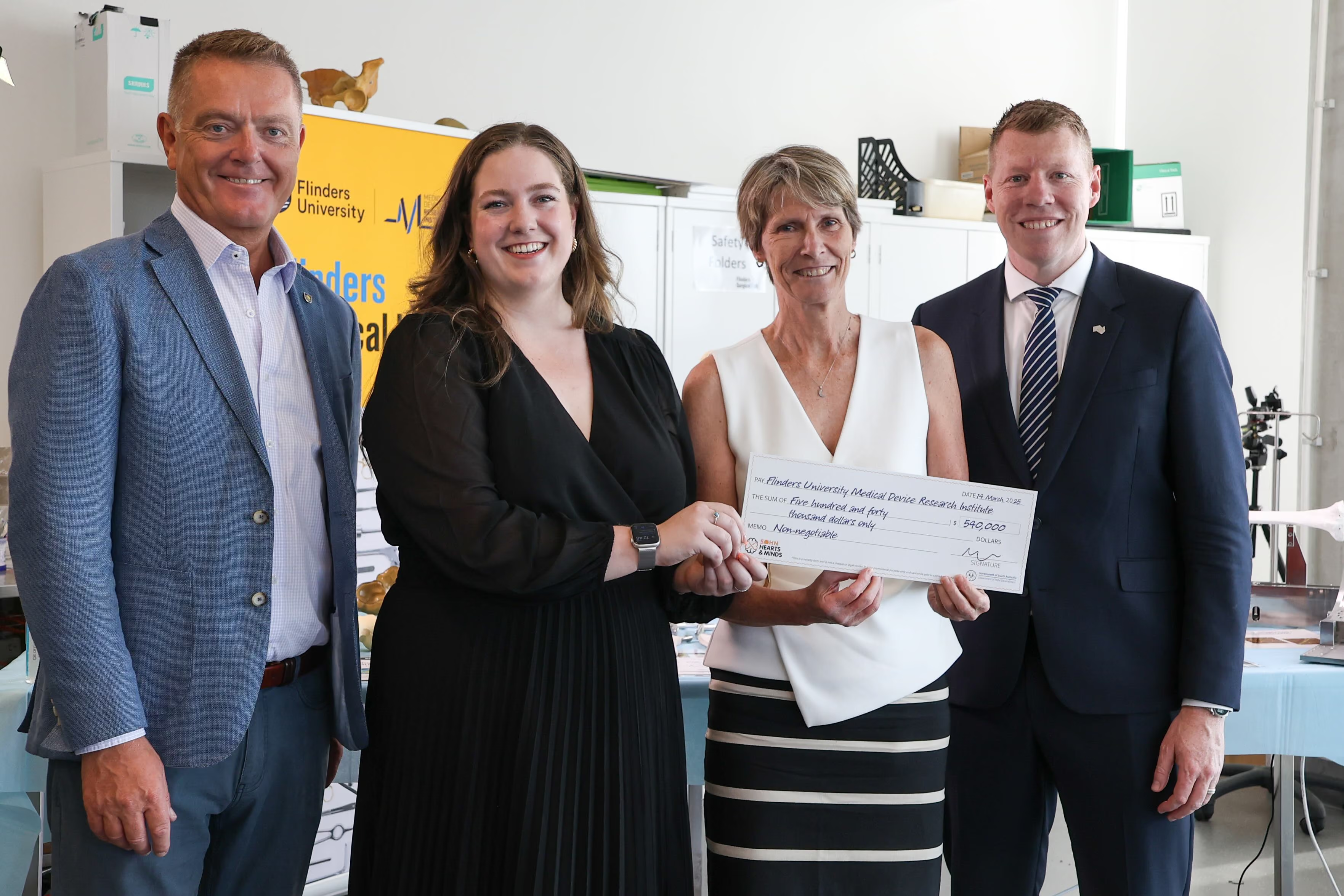
$1.4 million boost for SA medical research

South Australian medical research will receive a $1.4 million cash injection, as a direct result of a major investment and philanthropy conference held in Adelaide.

Read More
Anthony Scaramucci’s time in the White House was brief but memorable. APAnthony Scaramucci’s time in the White House was brief but memorable. APAnthony Scaramucci’s time in the White House was brief but memorable. APAnthony Scaramucci’s time in the White House was brief but memorable. AP
May 19, 2025

Why ‘The Mooch’ thinks Trump is more dangerous this time around

Anthony Scaramucci says Trump has fewer constraints on his worst instincts in his second administration. But he still gets bored easily.

Read More
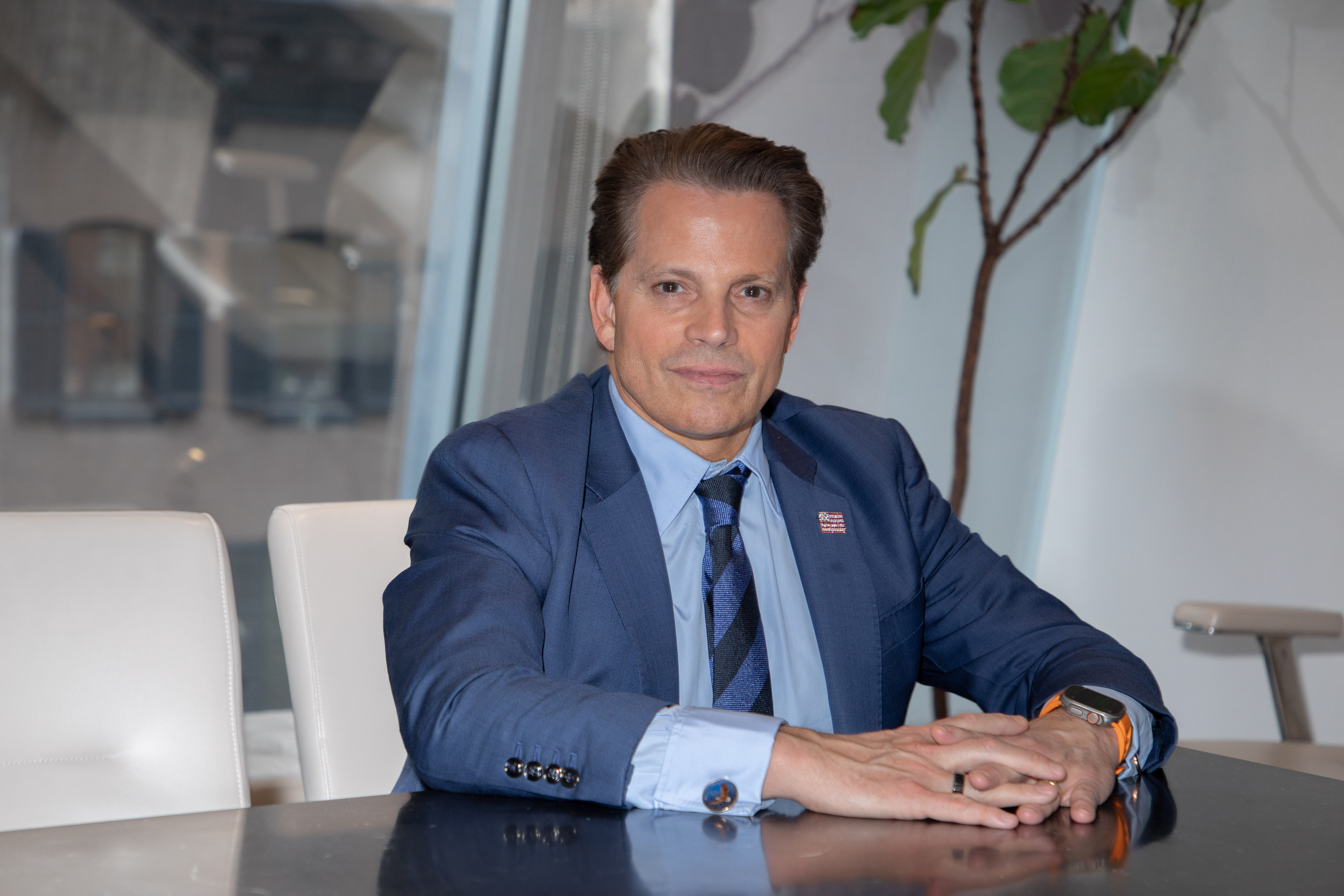
Image caption: Anthony “The Mooch” Scaramucci at the New York headquarters of his SkyBridge Capital last week. Picture: Jaclyn LichtImage caption: Anthony “The Mooch” Scaramucci at the New York headquarters of his SkyBridge Capital last week. Picture: Jaclyn LichtImage caption: Anthony “The Mooch” Scaramucci at the New York headquarters of his SkyBridge Capital last week. Picture: Jaclyn LichtImage caption: Anthony “The Mooch” Scaramucci at the New York headquarters of his SkyBridge Capital last week. Picture: Jaclyn Licht
May 19, 2025

My biggest mistake: Anthony Scaramucci on what makes Donald Trump tick

On Elon Musk, money and the White House, fast-talking Wall Street hedge fund manager and former Trump communications director Anthony Scaramucci tells it as he sees it.

Read More
A bull case for Bitcoin even as it trades near record levels. Picture: AFPA bull case for Bitcoin even as it trades near record levels. Picture: AFPA bull case for Bitcoin even as it trades near record levels. Picture: AFPA bull case for Bitcoin even as it trades near record levels. Picture: AFP
May 19, 2025

Bitcoin ‘on track’ for $US200,000: Anthony Scaramucci

Bitcoin could hit as much as $US200,000 ($311,000) by the end of this year, fuelled by surging inflows into exchange-traded funds and Donald Trump’s erratic policymaking.

Read More
Anthony Scaramucci says America has no choice but to lower tariffs on China further. Jaclyn LichtAnthony Scaramucci says America has no choice but to lower tariffs on China further. Jaclyn LichtAnthony Scaramucci says America has no choice but to lower tariffs on China further. Jaclyn LichtAnthony Scaramucci says America has no choice but to lower tariffs on China further. Jaclyn Licht
May 19, 2025

‘The Mooch’ says Trump will have to cut China tariffs below 10pc

Scaramucci, who is best known as The Mooch, is the first big-name global investor to be confirmed for the Sohn Hearts & Minds conference in Sydney in November.

Read More
Matthew McLennan in his office at First Eagle Investments in New York. Picture: Jaclyn LichtMatthew McLennan in his office at First Eagle Investments in New York. Picture: Jaclyn LichtMatthew McLennan in his office at First Eagle Investments in New York. Picture: Jaclyn LichtMatthew McLennan in his office at First Eagle Investments in New York. Picture: Jaclyn Licht
July 7, 2025

A golden year for Wall Street’s Australian stock picker

Matthew McLennan’s $14.5 billion position in gold bars and miners paid off handsomely for First Eagle this year. But he insists the precious metal still has room to run.

Read More
Stillpoint Investments founder and chief investment officer Eric Wong. Picture: Jaclyn LichtStillpoint Investments founder and chief investment officer Eric Wong. Picture: Jaclyn LichtStillpoint Investments founder and chief investment officer Eric Wong. Picture: Jaclyn LichtStillpoint Investments founder and chief investment officer Eric Wong. Picture: Jaclyn Licht
September 25, 2025

Stillpoint founder Eric Wong reveals major China tech investment strategy

Eric Wong will present his investment case at the Sohn Hearts & Minds conference at the Sydney Opera House on Friday, November 14.

Read More
October 1, 2025

Billionaire hedge fund manager enacts ‘little short’ on the market

Investing veteran Lord Michael Hintze says he’s taking out insurance against expensive debt and equity markets that are being propelled by passive flows.

Read More
October 1, 2025

Hedge fund guru Michael Hintze can't out-trade machines but he can still 'out-invest' them

Billionaire hedge fund manager Michael Hintze says the world is more dangerous than he has ever seen, artificial intelligence is stifling people’s ability to learn and process information.

Read More
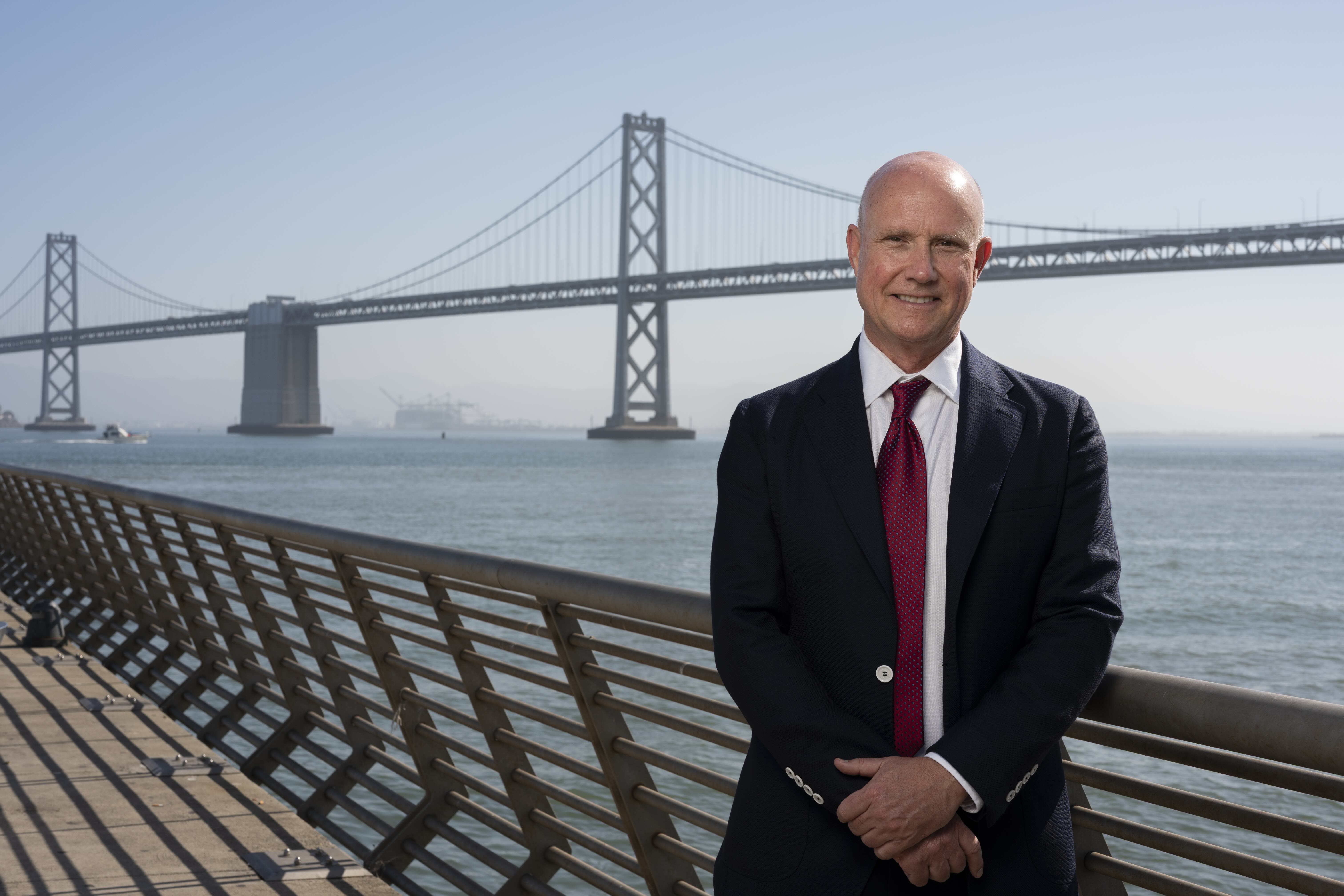
Marathon Resource Advisors founder and chief investment officer Robert Mullin in San Francisco.Marathon Resource Advisors founder and chief investment officer Robert Mullin in San Francisco.Marathon Resource Advisors founder and chief investment officer Robert Mullin in San Francisco.Marathon Resource Advisors founder and chief investment officer Robert Mullin in San Francisco.
October 5, 2025

Marathon CIO Robert Mullin reveals why gold stocks are still undervalued

The son of a stockbroker, Mr Mullin has more than 30 years' investing experience and is chief investment officer at Marathon Resource Advisors in San Francisco, a company he founded.

Read More
First Eagle Investments co-head of global value Matthew McLennan. Picture: Jaclyn LichtFirst Eagle Investments co-head of global value Matthew McLennan. Picture: Jaclyn LichtFirst Eagle Investments co-head of global value Matthew McLennan. Picture: Jaclyn LichtFirst Eagle Investments co-head of global value Matthew McLennan. Picture: Jaclyn Licht
October 6, 2025

First Eagle’s Matthew McLennan on the monetary force that could be ‘rocket fuel’ for the Australian dollar

Matthew McLennan, the co-head of the global value team and portfolio manager at the $US161bn ($243bn) First Eagle Investments, stormed the market with a bullish bet on gold.

Read More
October 10, 2025

Anthony Scaramucci’s advice to our PM is to seek his Canadian counterpart’s counsel

Beyond Wall Street, The Mooch is better known for his cutting takes on US politics in the popular podcast The Rest is Politics: US, which he hosts with BBC’s long-term North American correspondent Katty Kay.

Read More
October 19, 2025

Munro Partners' Qiao Ma reveals AI investment strategy

Qiao Ma has a simple test for spotting the investment opportunities that will define the next decade. Take the technology apart and see what’s inside.

Read More
October 21, 2025

Meet the 2025 Conference Managers

Following a global search, the Conference Fund Manager Selection Committee is pleased to share ten new managers for 2025.

Read More
October 31, 2025

The 42pc gain that shows why Sohn is a stock picker’s delight

It turns out you could have outperformed the seemingly unstoppable magnificent seven tech stocks if you simply acted on the 11 stock picks at Sohn last year.

Read More