Prof Michelle Simmons AO | Sohn Hearts & Minds Conference

At this year's Sohn Hearts & Minds Conference, we heard from Prof Michelle Simmons, the CEO and Founder of Silicon Quantum Computing.

Prof Michelle Simmons AO | Sohn Hearts & Minds Conference

December 5, 2023
At this year's Sohn Hearts & Minds Conference, we heard from Prof Michelle Simmons, the CEO and Founder of Silicon Quantum Computing.
Read Transcript

Prof Michelle Simmons is the CEO and Founder of Silicon Quantum Computing and Director of the Australian Research Council Centre of Excellence for Quantum Computation and Communication Technology in Sydney.

She is internationally recognised as the creator of the new field of atomic electronics. For over a quarter century, she has pioneered new technologies to manufacture computing devices in silicon atom by atom. Her work led to the invention of the first single atom transistor in 2012, and to the world’s first integrated circuit in silicon manufactured at the atomic-scale, which is now being commercialised as the basis for a new generation of quantum computers. Michelle’s discoveries are powering the transition from the digital to the quantum age, placing Australia at the forefront of the global race to develop a quantum computer. 

Michelle has received over 30 globally recognised awards over her career to date and is a passionate advocate and mentor for young scientists in Australia.

You can watch her presentation below.

This communication has been prepared by Hearts and Minds Investments Limited (ABN 61 628 753 220). In preparing this publication the investment objectives, financial situation or particular needs of an individual have not been considered. You should not rely on the opinions, advice, recommendations and other information contained in this publication alone. The inclusion of third-party content does not in any way imply any form of endorsement by HM1 of the products or services provided by persons or organisations who are responsible for the third-party content. This publication has been prepared to provide you with general information only. It is not intended to take the place of professional advice and you should not take action on specific issues in reliance on this information. Past performance is not a reliable indicator of future performance.
Prof Michelle Simmons is the CEO and Founder of Silicon Quantum Computing and Director of the Australian Research Council Centre of Excellence for Quantum Computation and Communication Technology in Sydney.

She is internationally recognised as the creator of the new field of atomic electronics. For over a quarter century, she has pioneered new technologies to manufacture computing devices in silicon atom by atom. Her work led to the invention of the first single atom transistor in 2012, and to the world’s first integrated circuit in silicon manufactured at the atomic-scale, which is now being commercialised as the basis for a new generation of quantum computers. Michelle’s discoveries are powering the transition from the digital to the quantum age, placing Australia at the forefront of the global race to develop a quantum computer. 

Michelle has received over 30 globally recognised awards over her career to date and is a passionate advocate and mentor for young scientists in Australia.

You can watch her presentation below.

This communication has been prepared by Hearts and Minds Investments Limited (ABN 61 628 753 220). In preparing this publication the investment objectives, financial situation or particular needs of an individual have not been considered. You should not rely on the opinions, advice, recommendations and other information contained in this publication alone. The inclusion of third-party content does not in any way imply any form of endorsement by HM1 of the products or services provided by persons or organisations who are responsible for the third-party content. This publication has been prepared to provide you with general information only. It is not intended to take the place of professional advice and you should not take action on specific issues in reliance on this information. Past performance is not a reliable indicator of future performance.

Disclaimer: This material has been prepared by Hearts & Minds Investments, published on December 5, 2023. HM1 is not responsible for the content of linked websites or content prepared by third party. The inclusion of these links and third-party content does not in any way imply any form of endorsement by HM1 of the products or services provided by persons or organisations who are responsible for the linked websites and third-party content. This information is for general information only and does not consider the objectives, financial situation or needs of any person. Before making an investment decision, you should read the relevant disclosure document (if appropriate) and seek professional advice to determine whether the investment and information is suitable for you.

facebook
linkedin
All
Thank you! Your submission has been received!
Oops! Something went wrong while submitting the form.
July 1, 2026

Improving care for adults with motor neuron diseases

Building better care for adults living with Motor Neuron Disease and Spinal Muscular Atrophy.

Read More
July 1, 2026

Understanding fatigue in young people with Charcot-Marie-Tooth disease

Developing a tool to improve understanding, research and care.

Read More
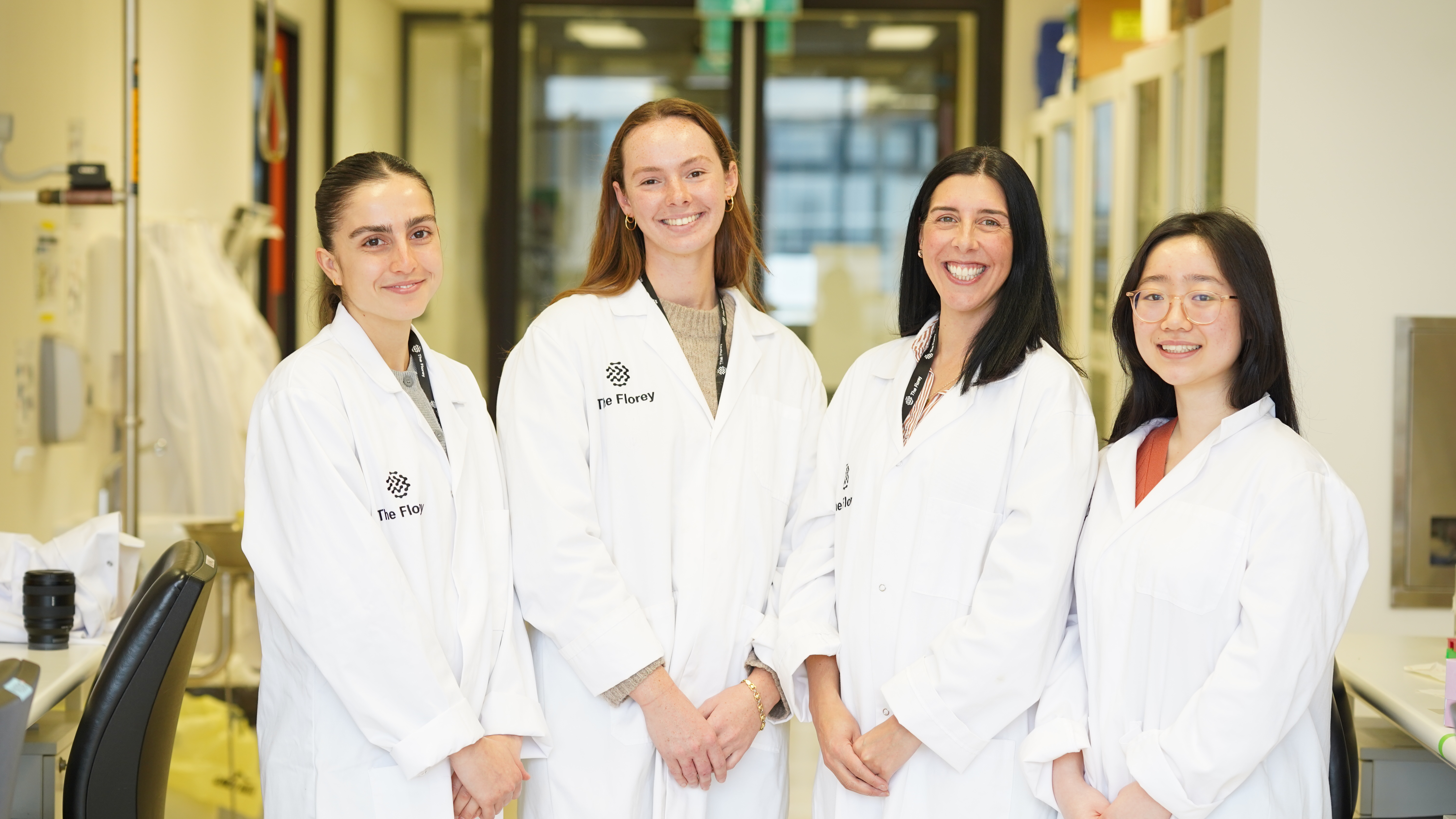
Pictured left to right: Professor Gina Ravenscroft (Perkins), Jasmine Chew, Sam Payne (CEO and Founder, Pink Elephants Support Network), and Shelby Mullin (Perkins).Pictured left to right: Professor Gina Ravenscroft (Perkins), Jasmine Chew, Sam Payne (CEO and Founder, Pink Elephants Support Network), and Shelby Mullin (Perkins).Pictured left to right: Professor Gina Ravenscroft (Perkins), Jasmine Chew, Sam Payne (CEO and Founder, Pink Elephants Support Network), and Shelby Mullin (Perkins).Pictured left to right: Professor Gina Ravenscroft (Perkins), Jasmine Chew, Sam Payne (CEO and Founder, Pink Elephants Support Network), and Shelby Mullin (Perkins).
July 1, 2026

Giving families living with rare diseases the answers they need

Supporting research to improve the diagnosis of rare genetic neuromuscular diseases and build the foundations for future treatments.

Read More
Picture: Dr Laura Grice, Lead Researcher Picture: Dr Laura Grice, Lead Researcher Picture: Dr Laura Grice, Lead Researcher Picture: Dr Laura Grice, Lead Researcher
July 1, 2026

Understanding spinal cord injury recovery

The world's first molecular map of spinal cord injury across time and injury levels

Read More
Picture: Professor Lindy Jeffree, Neurosurgeon and Chair, Brain Cancer Australia National Consortium Picture: Professor Lindy Jeffree, Neurosurgeon and Chair, Brain Cancer Australia National Consortium Picture: Professor Lindy Jeffree, Neurosurgeon and Chair, Brain Cancer Australia National Consortium Picture: Professor Lindy Jeffree, Neurosurgeon and Chair, Brain Cancer Australia National Consortium
July 1, 2026

Building the foundations for faster progress against brain cancer

Uniting researchers, clinicians and patients to accelerate research and improve patient care.

Read More
July 1, 2026

Accelerating CAR-T cell therapies for patients in need 

Bringing innovative cancer therapies closer to patients.

Read More
July 1, 2026

Supporting babies at high risk of cerebral palsy from the very beginning

Testing a family-centred early intervention program to improve outcomes for infants and support parents during the first critical months of life.

Read More
July 1, 2026

Making early cerebral palsy screening more accessible

Exploring new ways to identify babies at risk of cerebral palsy sooner and support better outcomes.

Read More
Picture: Professor Tracy Putoczki, Laboratory Head at WEHIPicture: Professor Tracy Putoczki, Laboratory Head at WEHIPicture: Professor Tracy Putoczki, Laboratory Head at WEHIPicture: Professor Tracy Putoczki, Laboratory Head at WEHI
July 1, 2026

Mapping the surface of pancreatic cancer cells

Identifying proteins on pancreatic cancer cells that could become new targets for developing future treatments.

Read More
Picture: Professor Jane Visvader and Professor Geoff Lindeman from the Breast Cancer Laboratory at WEHI Picture: Professor Jane Visvader and Professor Geoff Lindeman from the Breast Cancer Laboratory at WEHI Picture: Professor Jane Visvader and Professor Geoff Lindeman from the Breast Cancer Laboratory at WEHI Picture: Professor Jane Visvader and Professor Geoff Lindeman from the Breast Cancer Laboratory at WEHI
July 1, 2026

Understanding how breast cancer begins

Tracking the earliest changes in BRCA mutation carriers to help prevent cancer before it starts.

Read More
July 1, 2026

A new path forward for women living with period and pelvic pain

Uncovering the biology driving debilitating symptoms

Read More
Picture: Professor Daniel MacArthurPicture: Professor Daniel MacArthurPicture: Professor Daniel MacArthurPicture: Professor Daniel MacArthur
July 1, 2026

Closing the gap in rare disease diagnosis for Australian families

Building better genomic tools and more representative data to help families receive answers sooner.

Read More
PICTURE: A/Prof Rebecca Nisbet and her teamPICTURE: A/Prof Rebecca Nisbet and her teamPICTURE: A/Prof Rebecca Nisbet and her teamPICTURE: A/Prof Rebecca Nisbet and her team
July 1, 2026

Developing a new mRNA vaccine for Alzheimer’s disease

Using innovative technology to explore new possibilities for treatment and prevention.

Read More
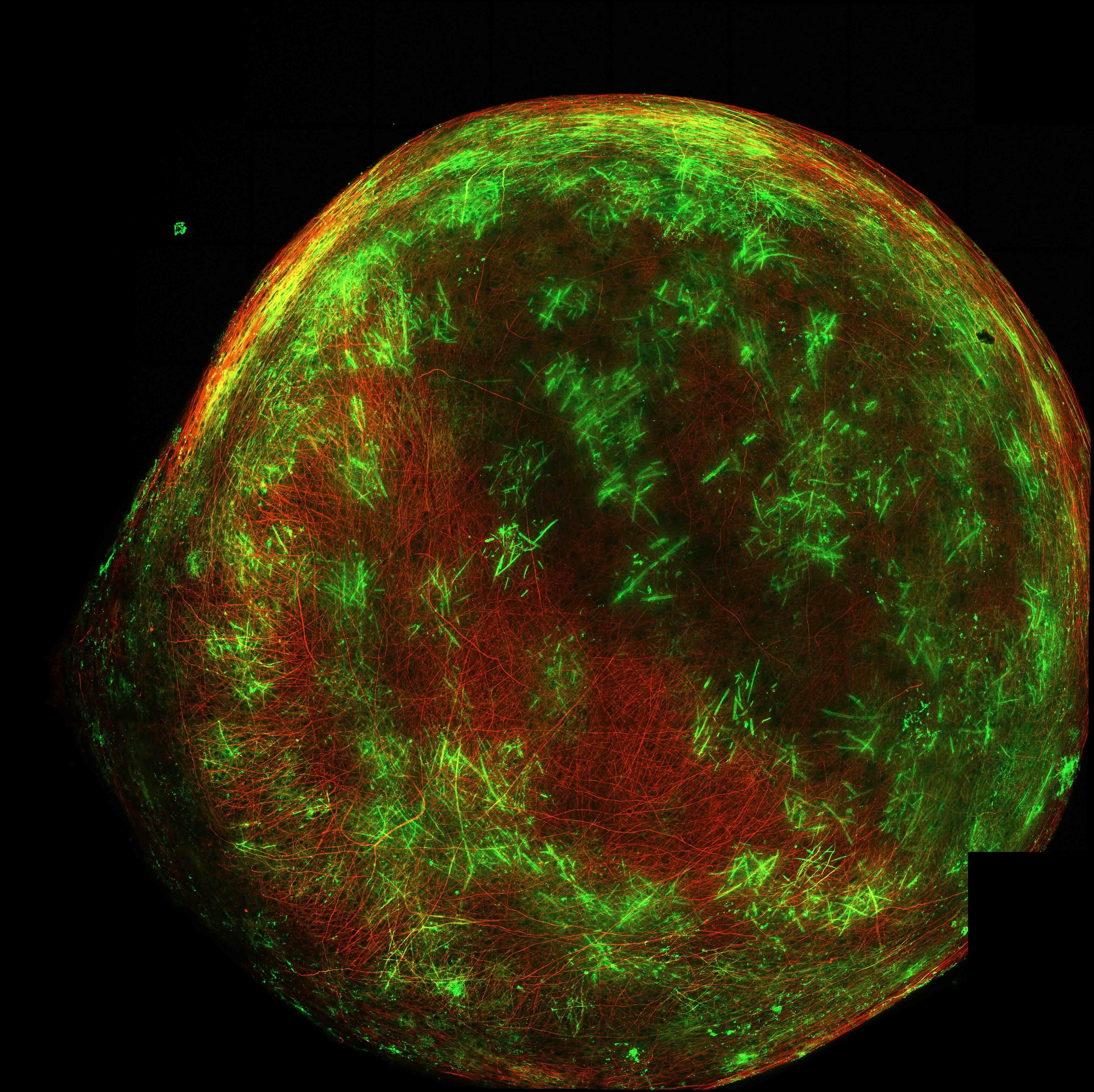
Researchers are growing human “mini-brains” in the laboratory and introducing immune cells from people living with MS. Researchers are growing human “mini-brains” in the laboratory and introducing immune cells from people living with MS. Researchers are growing human “mini-brains” in the laboratory and introducing immune cells from people living with MS. Researchers are growing human “mini-brains” in the laboratory and introducing immune cells from people living with MS.
July 1, 2026

Unlocking new approaches for Multiple Sclerosis

Understanding why the brain fails to repair itself and exploring new treatment possibilities.

Read More
July 1, 2026

Helping emergency doctors make faster decisions with AI

Using Australian-developed artificial intelligence to improve emergency care.

Read More