How science turned back the clock of human development to create a miracle blood stem cell

Many thought it could never be done. But three Murdoch Children’s Research Institute scientists recreated embryonic development to crack the blood stem cell code.
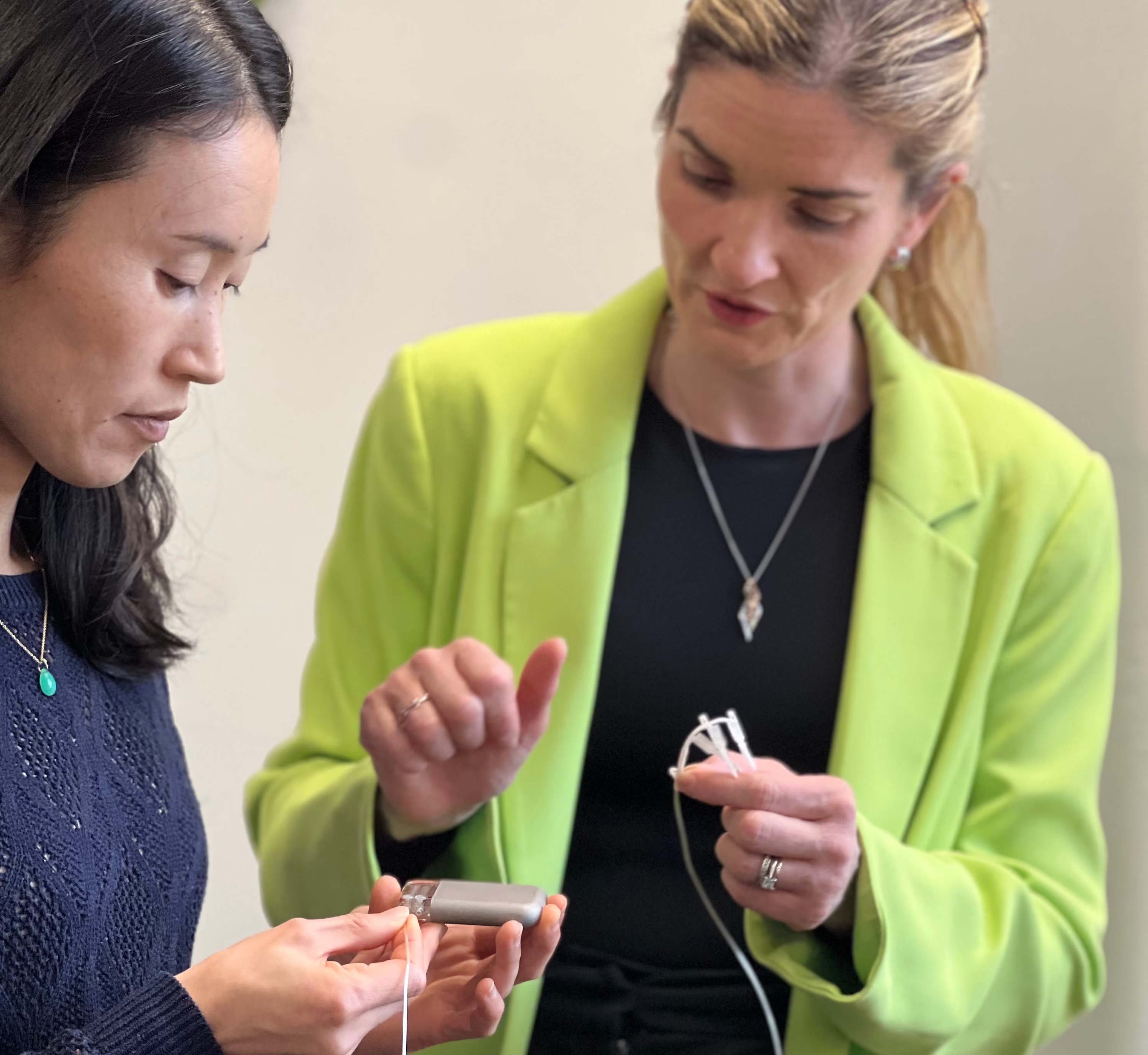
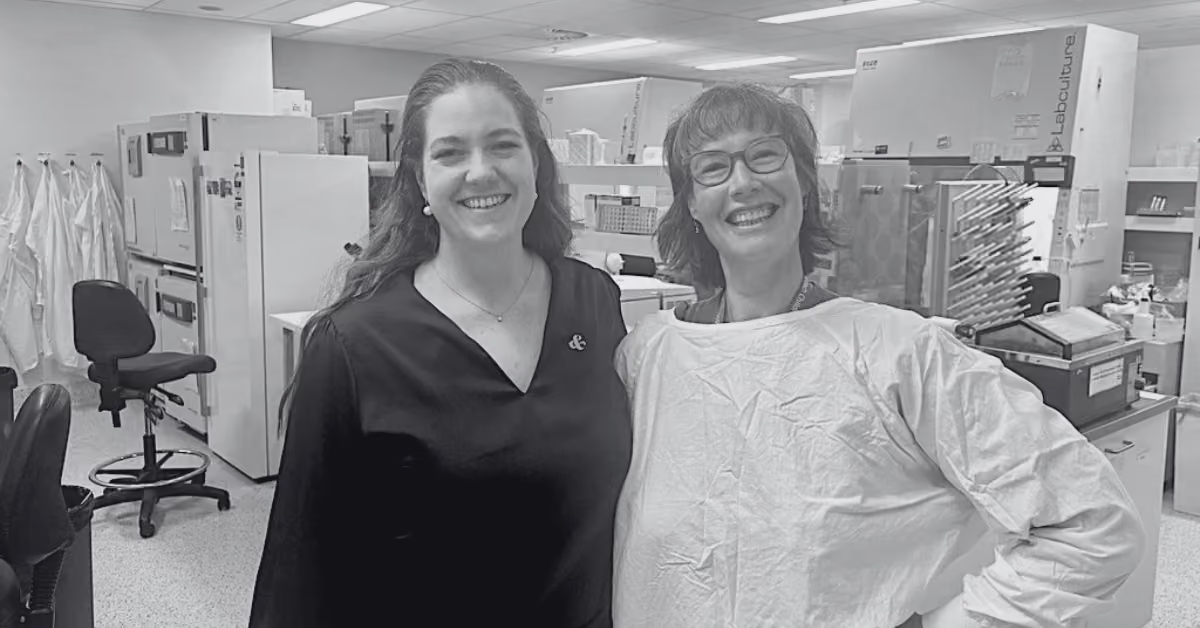
HM1 Chief Operating Officer Maggie O’Neill with A/Prof Elizabeth Ng at the Murdoch Children's Research Institute in Melbourne (March 2026).

Natasha Robinson

How science turned back the clock of human development to create a miracle blood stem cell

May 4, 2026
Many thought it could never be done. But three Murdoch Children’s Research Institute scientists recreated embryonic development to crack the blood stem cell code.
Read Transcript

Scientist Elizabeth Ng is clutching a small flask with a clear mixture inside it that she’s just retrieved from inside a bioreactor.

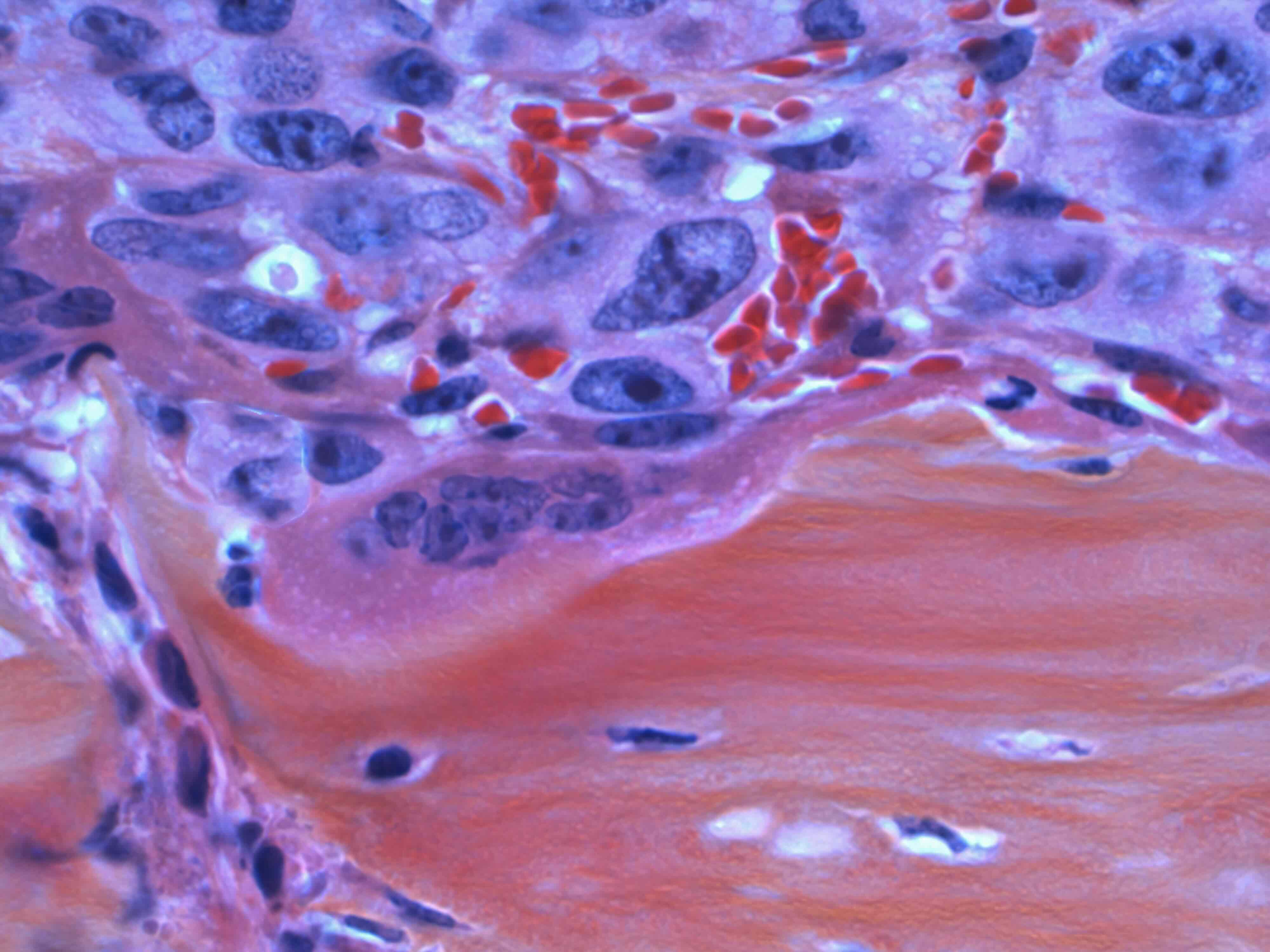
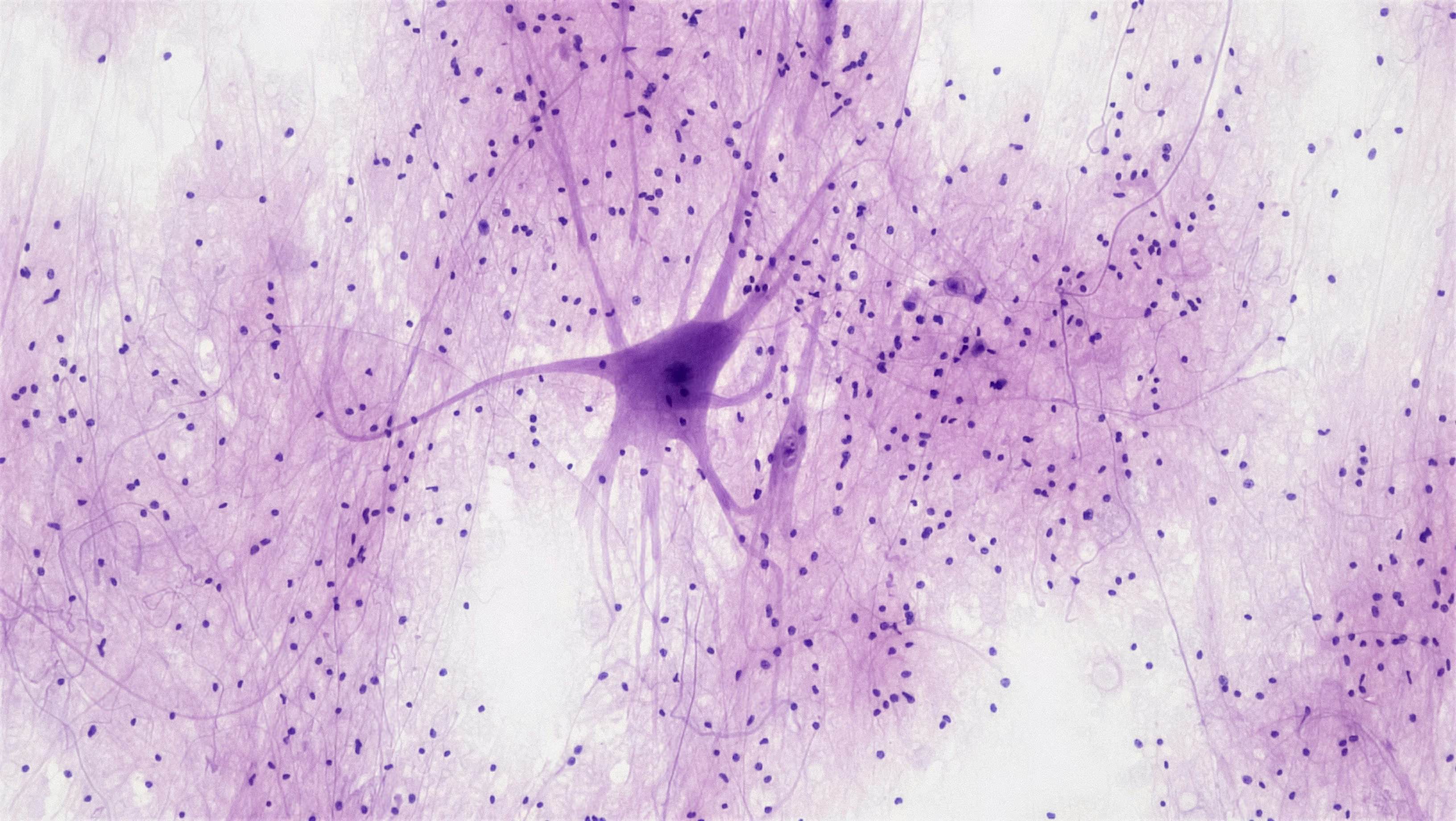
The colonies of cells clearly visible inside the flask are the genesis of life: pluripotent stem cells. They’re capable of forming every tissue in the body. Inside these flasks, the induced pluripotent stem cells are forming tiny clusters that replicate the human embryo in its earliest iteration.

“These pluripotent stem cells are immortal,” Associate Professor Ng says from inside the Blood Development Laboratory at the Murdoch Children’s Research Institute in Melbourne, where she is a group leader.

“We can use them to understand how to make human tissues. To do that, we have to recreate every step in early embryonic development. We have to deconstruct that process, and then mimic the whole process from scratch in the laboratory.”

This is the incredible story of how three Australian scientists, working together over more than 25 years, achieved what has been described as one of the holy grails of stem cell science: creating a human blood stem cell.

Many watching on believed they’d never do it, so protracted was the painstaking process.

It’s a tale of how the immense sophistication and enduring ­mystery of human development was not only unpacked and understood by this dedicated trio, but astonishingly, they replicated one of its most complex processes in a petri dish.

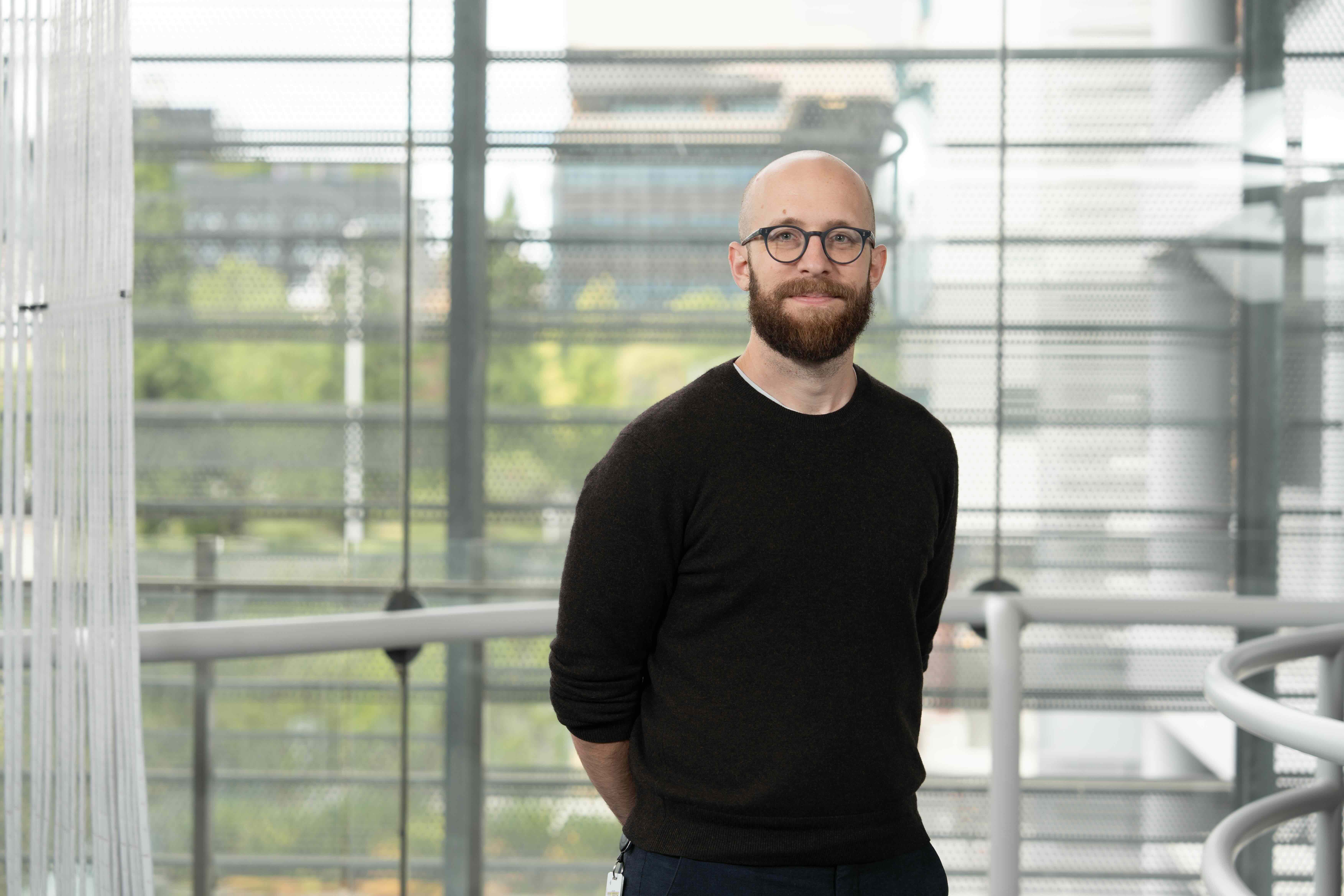
It took decades for the feat to be achieved as stem cell science advanced. Now the groundbreaking work of MCRI researchers Professors Ng, Andrew Elefanty and Ed Stanley is moving towards human application.

For some critically ill cancer patients, human blood stem cell infusion is likely in future to take the place of bone-marrow transplants for patients who lack a ­perfectly matched donor. The technology may be able to correct genetic defects in blood stem cell development which cause disease. And a wide array of immune clinical applications may open up in future.

This kind of revolutionary ­science was not even in the ­imagination of Dame Elisabeth Murdoch and pediatrician David Danks when they teamed up to create the MCRI 40 years ago when many children with severe conditions and disability never ­received a diagnosis.

The advance of science has been dizzying since the creation of the world-leading institute.

The 40th anniversary of the MCRI will be celebrated at a special event in Melbourne later this month.

For the past 13 years, Professors Ng, Elefanty and Stanley have worked side by side in the MCRI, their earlier work having been done at WEHI (formerly the Walter and Eliza Hall Institute) and Monash University.

Just down the corridor at the MCRI, which is co-located with the Children’s Hospital Melbourne, colleagues were achieving other incredible advances in stem cell science, leading the world in creating tiny kidney organoids and using stem cells to create miniature heart tissues which in future will be able to regenerate the hearts of children with congenital defects.

It’s not hard to see how the quest of replicating a cell as powerful as a human blood stem cell – so it could be used as a ­therapy – could become a scientist’s obsession.

Blood stem cells hold particular fascination for those ­immersed in the study of developmental biology and regenerative medicine. They are regeneration personified: rare cells that originate from a population of ­pluripotent stem cells, living ­inside the bone marrow and ­constantly renewing and replacing the body’s entire blood system throughout a lifetime. This continuous, lifelong process of creating new blood cells is known as haematopoiesis.

“Blood stem cells are very tricky, very rare in humans and very hard to make,” says Professor Elefanty.

“The hurdles in overcoming the complexities of dealing with the blood system were at the point where people were thinking, ‘well, maybe it’s just too hard’.

“We had to pretty much discover everything. We had to ­develop all the techniques to grow and handle and look after the ­pluripotent stem cells, and then we had to understand how to get the cells to recapitulate or walk the same path that they would normally do during human development.”

That meant starting with a completely clean medium within the test tube so the scientists could carefully control how the pluripotent stem cells differentiate, or turn into other kinds of cells, to closely replicate the first weeks of human life.

In the earliest stages of development, the embryo divides into three sections. The middle section – known as the mesoderm – becomes the blood, heart and skeleton. Highly complex processes regulate the positioning of the embryo and how cells differentiate, including an array of crucial genetic “switches”, the role of cell-signalling molecules known as growth factors, and an enormous number of cell-membrane associated proteins that in concert determine the type of tissue a cell will become.

These are all the factors that the scientists needed to control within the test tube to make the pluripotent stem cells differentiate into the cells they sought to create: blood stem cells.

Early work did not advance the developmental clock far enough. When the scientists initially infused their petri dishes of pluripotent stem cells with growth factors they hypothesised would trigger the cells to begin making the body’s earliest tissues, the cells proceeded to do what they did first in the earliest life. They created the embryo’s earliest form of blood which is contained in the yolk sac.

“This blood forms very early in development and its job is just to keep the embryo alive,” says Professor Ng. “Its job is not to make stem cells. But the first blood that the structures in our dish wanted to make was the blood in the yolk sac, because that’s the human developmental clock. The first blood that contains stem cells arises inside the ­embryo in the region near the ­developing kidney, called the aorta-gonad-mesonephros. So we had to figure out how to make blood that came from within there.”

The scientists did this by switching on genes from a crucial family known as HOXA genes, by delivering certain growth factors inside the test tube.

Their special cocktail of growth factors delivered instructions for the mesoderm tissue to be turned into the crucial tissue they needed: blood-forming ­endothelium located in the ­embryonic aorta. It was the key to the creation of the team’s early blood stem cells.

But it took another eight years for the early blood stem cells that were created to be perfected.

“We had to show that the blood cells that we made could ­reconstitute the blood cells of a mouse the same way that cells that are currently used clinically, from the bone marrow or from the umbilical cord, can do that,” Professor Elefanty said.

Proof of concept was when mice were injected with the scientists’ frozen-then-thawed stem cell blood, and that stem cell blood made its way into the animals’ bone marrow and engrafted there, “like setting down the roots of plant” to become production factories.

After many years of taking drops of blood from the mice, and seeing no human blood cells in the samples, finally in 2020 came the moment of elation.

“All of a sudden we saw there were a whole lot of human blood cells in the mice,” Dr Elefanty says. “That was the real eureka moment.”

The work of the scientists would not have been possible without support over the years from the National Health and Medical Research Council Australia, the Medical Research ­Future Fund, the Australian ­Research Council special centre for stem cells (Stem Cells Australia), Maddy Riewoldt’s Vision, philanthropic support from the Stafford Fox Medical Research Foundation, the NovoNordisk Foundation, and Hearts and Minds Investments as well as industry support from CSL Innovations, and recently from Retro Biosciences Inc and the Royal Children’s Hospital Foundation.

Human trials are now in train for the crucial step before the scientists’ blood stem cell invention can be used clinically.

Treatment of patients with bone-marrow failure, and the avoidance of immune suppression required for donor bone-marrow transplants are the likely first applications of the technology, but the scope for clinical use is wide, including for patients with leukaemia.

“Because these are blood stem cells, they can make every other mature blood cell type,” Professor Elefanty says. “So they can go on and make cells like neutrophils, red blood cells, platelets, B cells, T cells and macrophages that also have therapeutic uses.

“So we are now potentially opening up a new field of therapy, firstly for making stem cells and other blood lineages for transplantation. Excitingly, we are also working to correct genetic defects in blood cell development and make a new, corrected blood system for patients.”

This article was originally posted by The Austalian here.

Licensed by Copyright Agency. You must not copy this work without permission.
Scientist Elizabeth Ng is clutching a small flask with a clear mixture inside it that she’s just retrieved from inside a bioreactor.

The colonies of cells clearly visible inside the flask are the genesis of life: pluripotent stem cells. They’re capable of forming every tissue in the body. Inside these flasks, the induced pluripotent stem cells are forming tiny clusters that replicate the human embryo in its earliest iteration.

“These pluripotent stem cells are immortal,” Associate Professor Ng says from inside the Blood Development Laboratory at the Murdoch Children’s Research Institute in Melbourne, where she is a group leader.

“We can use them to understand how to make human tissues. To do that, we have to recreate every step in early embryonic development. We have to deconstruct that process, and then mimic the whole process from scratch in the laboratory.”

This is the incredible story of how three Australian scientists, working together over more than 25 years, achieved what has been described as one of the holy grails of stem cell science: creating a human blood stem cell.

Many watching on believed they’d never do it, so protracted was the painstaking process.

It’s a tale of how the immense sophistication and enduring ­mystery of human development was not only unpacked and understood by this dedicated trio, but astonishingly, they replicated one of its most complex processes in a petri dish.

It took decades for the feat to be achieved as stem cell science advanced. Now the groundbreaking work of MCRI researchers Professors Ng, Andrew Elefanty and Ed Stanley is moving towards human application.

For some critically ill cancer patients, human blood stem cell infusion is likely in future to take the place of bone-marrow transplants for patients who lack a ­perfectly matched donor. The technology may be able to correct genetic defects in blood stem cell development which cause disease. And a wide array of immune clinical applications may open up in future.

This kind of revolutionary ­science was not even in the ­imagination of Dame Elisabeth Murdoch and pediatrician David Danks when they teamed up to create the MCRI 40 years ago when many children with severe conditions and disability never ­received a diagnosis.

The advance of science has been dizzying since the creation of the world-leading institute.

The 40th anniversary of the MCRI will be celebrated at a special event in Melbourne later this month.

For the past 13 years, Professors Ng, Elefanty and Stanley have worked side by side in the MCRI, their earlier work having been done at WEHI (formerly the Walter and Eliza Hall Institute) and Monash University.

Just down the corridor at the MCRI, which is co-located with the Children’s Hospital Melbourne, colleagues were achieving other incredible advances in stem cell science, leading the world in creating tiny kidney organoids and using stem cells to create miniature heart tissues which in future will be able to regenerate the hearts of children with congenital defects.

It’s not hard to see how the quest of replicating a cell as powerful as a human blood stem cell – so it could be used as a ­therapy – could become a scientist’s obsession.

Blood stem cells hold particular fascination for those ­immersed in the study of developmental biology and regenerative medicine. They are regeneration personified: rare cells that originate from a population of ­pluripotent stem cells, living ­inside the bone marrow and ­constantly renewing and replacing the body’s entire blood system throughout a lifetime. This continuous, lifelong process of creating new blood cells is known as haematopoiesis.

“Blood stem cells are very tricky, very rare in humans and very hard to make,” says Professor Elefanty.

“The hurdles in overcoming the complexities of dealing with the blood system were at the point where people were thinking, ‘well, maybe it’s just too hard’.

“We had to pretty much discover everything. We had to ­develop all the techniques to grow and handle and look after the ­pluripotent stem cells, and then we had to understand how to get the cells to recapitulate or walk the same path that they would normally do during human development.”

That meant starting with a completely clean medium within the test tube so the scientists could carefully control how the pluripotent stem cells differentiate, or turn into other kinds of cells, to closely replicate the first weeks of human life.

In the earliest stages of development, the embryo divides into three sections. The middle section – known as the mesoderm – becomes the blood, heart and skeleton. Highly complex processes regulate the positioning of the embryo and how cells differentiate, including an array of crucial genetic “switches”, the role of cell-signalling molecules known as growth factors, and an enormous number of cell-membrane associated proteins that in concert determine the type of tissue a cell will become.

These are all the factors that the scientists needed to control within the test tube to make the pluripotent stem cells differentiate into the cells they sought to create: blood stem cells.

Early work did not advance the developmental clock far enough. When the scientists initially infused their petri dishes of pluripotent stem cells with growth factors they hypothesised would trigger the cells to begin making the body’s earliest tissues, the cells proceeded to do what they did first in the earliest life. They created the embryo’s earliest form of blood which is contained in the yolk sac.

“This blood forms very early in development and its job is just to keep the embryo alive,” says Professor Ng. “Its job is not to make stem cells. But the first blood that the structures in our dish wanted to make was the blood in the yolk sac, because that’s the human developmental clock. The first blood that contains stem cells arises inside the ­embryo in the region near the ­developing kidney, called the aorta-gonad-mesonephros. So we had to figure out how to make blood that came from within there.”

The scientists did this by switching on genes from a crucial family known as HOXA genes, by delivering certain growth factors inside the test tube.

Their special cocktail of growth factors delivered instructions for the mesoderm tissue to be turned into the crucial tissue they needed: blood-forming ­endothelium located in the ­embryonic aorta. It was the key to the creation of the team’s early blood stem cells.

But it took another eight years for the early blood stem cells that were created to be perfected.

“We had to show that the blood cells that we made could ­reconstitute the blood cells of a mouse the same way that cells that are currently used clinically, from the bone marrow or from the umbilical cord, can do that,” Professor Elefanty said.

Proof of concept was when mice were injected with the scientists’ frozen-then-thawed stem cell blood, and that stem cell blood made its way into the animals’ bone marrow and engrafted there, “like setting down the roots of plant” to become production factories.

After many years of taking drops of blood from the mice, and seeing no human blood cells in the samples, finally in 2020 came the moment of elation.

“All of a sudden we saw there were a whole lot of human blood cells in the mice,” Dr Elefanty says. “That was the real eureka moment.”

The work of the scientists would not have been possible without support over the years from the National Health and Medical Research Council Australia, the Medical Research ­Future Fund, the Australian ­Research Council special centre for stem cells (Stem Cells Australia), Maddy Riewoldt’s Vision, philanthropic support from the Stafford Fox Medical Research Foundation, the NovoNordisk Foundation, and Hearts and Minds Investments as well as industry support from CSL Innovations, and recently from Retro Biosciences Inc and the Royal Children’s Hospital Foundation.

Human trials are now in train for the crucial step before the scientists’ blood stem cell invention can be used clinically.

Treatment of patients with bone-marrow failure, and the avoidance of immune suppression required for donor bone-marrow transplants are the likely first applications of the technology, but the scope for clinical use is wide, including for patients with leukaemia.

“Because these are blood stem cells, they can make every other mature blood cell type,” Professor Elefanty says. “So they can go on and make cells like neutrophils, red blood cells, platelets, B cells, T cells and macrophages that also have therapeutic uses.

“So we are now potentially opening up a new field of therapy, firstly for making stem cells and other blood lineages for transplantation. Excitingly, we are also working to correct genetic defects in blood cell development and make a new, corrected blood system for patients.”

This article was originally posted by The Austalian here.

Licensed by Copyright Agency. You must not copy this work without permission.

Disclaimer: This material has been prepared by The Australian, published on May 4, 2026. HM1 is not responsible for the content of linked websites or content prepared by third party. The inclusion of these links and third-party content does not in any way imply any form of endorsement by HM1 of the products or services provided by persons or organisations who are responsible for the linked websites and third-party content. This information is for general information only and does not consider the objectives, financial situation or needs of any person. Before making an investment decision, you should read the relevant disclosure document (if appropriate) and seek professional advice to determine whether the investment and information is suitable for you.

facebook
linkedin
All
Thank you! Your submission has been received!
Oops! Something went wrong while submitting the form.
November 22, 2023

Impact Video Series: RPA Green Light Institute

We interviewed leading individuals from The Royal Prince Alfred Hospital Green Light Institute to discuss the importance of medical research, their recent breakthroughs and the vital need for private funding.

Read More
December 5, 2023

Prof Daniel MacArthur | 2023 Sohn Hearts & Minds Conference

At the 2023 Sohn Hearts & Minds Conference, we heard from Prof Daniel MacArthur, the Director of the Centre for Population Genomics.

Read More
December 5, 2023

Prof Michelle Simmons AO | Sohn Hearts & Minds Conference

At this year's Sohn Hearts & Minds Conference, we heard from Prof Michelle Simmons, the CEO and Founder of Silicon Quantum Computing.

Read More
Daniel MacArthur with Melbourne scientist and assistant professor Misty Jenkins. Both will be speaking at the Sohn Hearts & Minds conference in Sydney.Daniel MacArthur with Melbourne scientist and assistant professor Misty Jenkins. Both will be speaking at the Sohn Hearts & Minds conference in Sydney.Daniel MacArthur with Melbourne scientist and assistant professor Misty Jenkins. Both will be speaking at the Sohn Hearts & Minds conference in Sydney.Daniel MacArthur with Melbourne scientist and assistant professor Misty Jenkins. Both will be speaking at the Sohn Hearts & Minds conference in Sydney.
November 15, 2023

Advancing Medicine Is In Daniel MacArthur’s DNA

When genomic scientist Daniel MacArthur had the opportunity to set up a new Centre for Population Genomics in Australia in 2019, he jumped at the chance to return home after 12 years living overseas.

Read More
November 10, 2023

Big thinkers in hunt for brain cancer cure

“Brain cancer is rare, but for people who do get it the prognosis is not good,” Assistant Professor Jenkins tells The Australian.

Read More
April 20, 2023

Artificial intelligence gives new hope for sufferers of severe heart problem

New AI software can improve the diagnosis of severe aortic stenosis by 72% and could potentially change the lives of about 50,000 Australians with the life-threatening condition.

Read More
February 14, 2023

Bringing Equity and Diversity to Genomic Medicine

Professor Daniel MacArthur, Director of the Centre for Population Genomics has big goals to bring equity and diversity into genomic medicine in Australia, something surprisingly inadequate presently.

Read More
September 6, 2022

VCCRI: 'Heart in a Box'

An Australian method of preserving donated hearts has boosted the number of successful transplants across the world, with new research demonstrating similar survival rates to traditional transplants.

Read More
February 24, 2022

New Partnership with Cerebral Palsy Alliance

We’re excited to announce a new partnership with the Cerebral Palsy Alliance and are proud to be supporting this important research.

Read More
August 3, 2021

Australian breakthrough to stop heart arteries from clogging

Victor Chang scientist has led landmark research that has the potential to stop arteries of the heart from becoming clogged by targeting a particular gene.

Read More
June 9, 2020

Beneficiary Profile: Orygen

1 in 5 young people will have experienced a depressive episode by the time they are 18. With thanks to Cooper Investors and Hearts & Minds, we have been able to put youth mental health on the global agenda and progress our work in developing a global mental health framework.

Read More
November 22, 2019

Impact Video Series: Sydney Children's Hospital Foundation

We interviewed leading individuals from our beneficiaries to discuss the importance of medical research, their recent breakthroughs and the vital need for private funding.

Read More
November 22, 2019

Impact Video Series: The Florey Institute

We interviewed leading individuals from our beneficiaries to discuss the importance of medical research, their recent breakthroughs and the vital need for private funding.

Read More
November 22, 2019

Impact Video Series: Victor Chang

We interviewed leading individuals from our beneficiaries to discuss the importance of medical research, their recent breakthroughs and the vital need for private funding.

Read More
May 29, 2019

Winning Hearts and Minds

Mark Nelson of Caledonia discusses his connection with the Florey Institute, one of our beneficiaries, and why he's involved with Hearts and Minds.

Read More
December 10, 2024

Professor Jane Butler: Sparking Hope for Spinal Cord Injuries

In this episode of the Hearts & Minds Podcast, we sit down with Professor Jane Butler to discuss her groundbreaking research into spinal cord injuries.

Read More
impact-podcasts
September 24, 2024

Asian Market Potential with Tom Naughton of Prusik

CIO Charlie Lanchester sits down with Tom Naughton, CIO of Prusik Investment Mgmt. Tom shares his investment philosophy, the opportunities and challenges in Asian markets, and how his 2023 conference stock pick, Swire Pacific (0019.HK), delivered an impressive 30% return.

Read More
investing
September 4, 2024

Building Hearts and Minds with Co-Founders Matthew Grounds and Guy Fowler

In this episode, co-founders Matthew Grounds AM and Guy Fowler OAM discuss their journey in building Hearts & Minds and its philanthropic model that has donated over $70 million to medical research.

Read More
investing
June 25, 2024

Navigating the Resource Sector with Jeremy Bond of Terra Capital

In this episode, we chat with Jeremy Bond, Founder of Terra Capital and HM1 Conference Fund Manager. Tune in for insights into the world of resource investments and the exciting opportunities that lie ahead.

Read More
investing
June 11, 2024

Prof. Nadia Badawi on Cerebral Palsy Breakthroughs and Neonatal Care

Dive deep into the groundbreaking work of Professor Nadia Badawi, an internationally recognised neonatologist and expert in Cerebral Palsy.

Read More
impact-podcasts
May 28, 2024

Investment Insights: Rikki Bannan on Top Picks and Trends

Join us for an engaging episode featuring Rikki Bannan, Portfolio Manager of IFM Investors and HM1 Conference Fund Manager. This episode explores Rikki's career journey, investment strategies, and her 2023 conference stock pick, Telix Pharmaceuticals (ASX.TLX).

Read More
investing
December 6, 2023

Peter Cooper talks building and instilling a culture of humility and excellence

In this episode, our guest is the renowned investor, Peter Cooper, founder and Chief Investment Officer of Cooper Investors (Core Fund Manager). A founding supporter of Hearts and Minds, Peter is a staunch advocate of our model and its philanthropic purpose, actively engaging in every facet of Hearts and Minds.

Read More
investing
November 28, 2023

Jun Bei Liu on her high conviction investment strategy

In this episode, HM1 Chief Investment Officer Charlie Lanchester is joined by Jun Bei Liu. Jun Bei is the Portfolio Manager of Tribeca’s Alpha Plus Fund and since taking over managing the Fund, she has quadrupled AUM.

Read More
investing
November 21, 2023

The world of rare genetic disease research

In this episode, we speak to Associate Professor Gina Ravenscroft. Gina is an Associate Professor in Neurogenetics at the Harry Perkins Institute of Medical Research in Perth. Her research interests are in rare genetic diseases, with a particular focus on neurogenetic diseases in babies and children.

Read More
impact-podcasts
November 14, 2023

Learn what makes a high conviction investment and how to avoid short-term noise

In this episode, our Core Fund Manager Magellan shares how they select top stocks for the HM1 portfolio.

Read More
investing
November 7, 2023

Delve into the world of kids critical care and trauma research

In thie episode, we are joined by Dr. Marino Festa, or Rino for short. He is the Medical Director of NSW Kids ECMO Referral Service and a senior specialist in Paediatric Intensive Care at Children’s Hospital at Westmead.

Read More
impact-podcasts
October 31, 2023

Where Regal's Phil King is searching for opportunities

HM1's CIO, Charlie Lanchester, talks to Phil King of Regal Funds about his passion for stocks, his ongoing search for opportunities, and some of the sectors he’s excited by right now. Phil King of Regal Funds, has been a tremendous supporter of Hearts & Minds since the beginning.

Read More
investing
October 24, 2023

Preventing recurrent miscarriages and birth defects

In this episode, CEO Paul Rayson is joined by renowned biomedical researcher Professor Sally Dunwoodie. Prof. Dunwoodie's groundbreaking work has revolutionised clinical practices and enabled genetic diagnostic tests worldwide. In 2017, her team achieved a double breakthrough with the potential to prevent recurrent miscarriages and various birth defects.

Read More
impact-podcasts
October 17, 2023

Nick Griffin on how he finds global winners

In this episode, CIO Charlie Lanchester chats with Nick Griffin, the founding partner and CIO of Munro Partners, one of HM1's Core Fund Managers. They go over his career to date, reflect on the lessons he’s learned, and trace the decisions that led to him starting Munro.

Read More
investing
October 10, 2023

How A/Prof Matt Call is teaching our body to kill cancer

In this episode, CEO Paul Rayson is joined by WEHI’s Associate Professor Matt Call to talk about his incredible research. Matt’s team teaches and trains the body's own immune cells to target and kill cancer cells.

Read More
impact-podcasts

No results found.

Please try a different search keyword or filter.